If Milanians choose fiber cement boards as a material for walls or ceilings, that’s certainly a wise decision. This material is known for being strong, termite-resistant, and able to withstand a variety of weather conditions. However, that doesn’t mean fiber cement can be left untended.
Many people only realize the importance of properly maintaining fiber-cement surfaces to make them last longer when the paint starts to peel, the surface looks dull, or even when small cracks appear that gradually widen over time.
In fact, with simple, routine maintenance, fiber cement can remain clean and neat while also having a much longer service life.
Why Do Fiber-Cement Panels Require Regular Maintenance?
Fiber cement does indeed offer better durability than some other building materials. It is resistant to termite damage, fairly stable in the face of temperature changes, and suitable for both interior and exterior applications.
Even so, the surface will still be exposed to sunlight, rain, dust, pollution, and humidity every day. This exposure can gradually cause the paint to fade, the surface to become dull, and even increase the risk of mold growth if the wall is too damp.
Regularly maintaining fiber-cement surfaces to extend their lifespan not only keeps them looking attractive but also helps preserve the panels’ strength over the long term. In addition, the cost of routine maintenance is certainly much lower than having to replace damaged fiber-cement panels.
See Also: Understanding Transparent Coatings for Fiber Cement
Signs That Fiber Cement Needs Maintenance
1. The Paint Is Starting to Peel or Fade
A peeling coat of paint indicates that the protective layer on the fiber-cement surface has deteriorated. In addition to reducing the aesthetic appeal, this condition makes the panels more susceptible to the effects of weather, rain, and UV rays, which can accelerate deterioration.
2. The Board Is Starting to Crack
Small cracks are often overlooked. However, if left unchecked, water can seep into the cracks and cause further damage, especially during temperature fluctuations or when humidity is high. The sooner they are repaired, the lower the maintenance costs will be.
3. The Appearance of Stains and Mold
Areas that are frequently exposed to rain or have poor air circulation are generally more prone to moss and mold growth. In addition to making the walls look dirty, mold can also damage the paint layer, thereby reducing the surface’s protection.
4. A Dirty Board Surface Makes It Look Dull
Dust, pollution, and dirt that accumulate over time cause the color of fiber cement to look dull. If not cleaned promptly, the dirt can become more firmly embedded, making the cleaning process more difficult.
5. Damage Caused by Impact and Friction
Impacts from hard objects or repeated friction can cause scratches, minor dents, or even cracks on the surface of the board. This type of damage should be addressed immediately to prevent it from developing into more serious damage.
How to Maintain Fiber-Cement Surfaces for Longer Durability
1. Clean the Board Routinely and Periodically
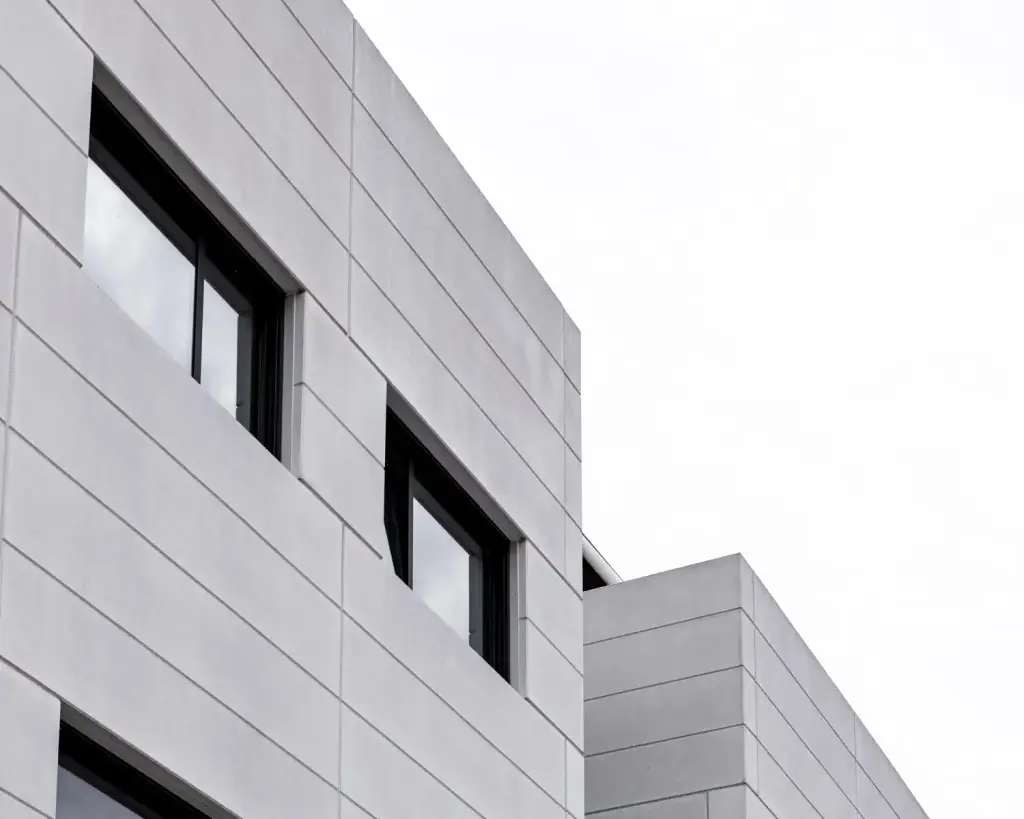
The simplest step in maintaining fiber-cement surfaces to make them last longer is to clean them regularly. Use a soft cloth, sponge, or soft-bristled brush to remove dust and dirt.
If necessary, use clean water mixed with mild soap, then rinse thoroughly and let it air dry.
Cleaning surfaces regularly also helps prevent the buildup of mold and mildew, which often appear in damp areas.
2. Repair Any Cracks Immediately
Don’t wait for the crack to get bigger. Check the condition of the board regularly, especially after it has been hit or exposed to extreme weather.
If you find a small crack, repair it immediately using the appropriate material before water seeps into the board. This will help maintain the strength of the fiber cement and prevent the damage from spreading further.
3. Make Sure the Walls Aren’t Always Damp
Moisture is one of the main causes of mold growth on fiber-cement surfaces.
Therefore, make sure the area around the wall has good air circulation and is free of leaks.
If fiber cement is used in outdoor areas, also check the gutter and drainage systems to ensure that rainwater does not continuously flow onto the same spot.
4. Repaint to Provide a More Effective Protective Coating
Over time, the paint coating will deteriorate due to exposure to the elements and sunlight. Therefore, repainting is a highly recommended way to maintain fiber-cement surfaces and extend their lifespan.
For best results, use paint specifically designed for fiber-cement boards, such as Milan Acqua Fiber which is specifically formulated to provide protection for fiber-cement surfaces.
In addition to producing attractive colors, Milan Acqua Fiber also helps protect surfaces from the weather, moisture, and mold growth, keeping the boards looking clean for longer.
5. Avoid Harsh Impacts and Friction on the Board
Although it is quite durable, fiber cement can still be damaged by impact from hard objects or constant friction.
When moving furniture or renovating near walls, take care to avoid direct impact on the surface of the boards. This simple step can help keep the boards in excellent condition over the long term.
See Also: Fiber-Cement Board Paint: A Wall Protection Solution with a Natural Look
Mistakes to Avoid When Maintaining Fiber Cement
Understanding how to maintain fiber-cement surfaces to make them last longer is indeed important. However, quite a few Milanians still make mistakes when caring for this material.
Here are some mistakes Milanians should avoid:
- Clean the surface using a wire brush or an abrasive material.
- Using cleaning solutions that contain harsh chemicals.
- Leaving small cracks unrepaired.
- Ignoring the growth of mold or moss.
- Repainting without cleaning the surface first.
- Using paint that is not designed for fiber-cement boards.
- Allowing the surface to remain damp at all times.
- Delaying treatment until the damage gets worse.
When Should Fiber-Cement Surfaces Be Repainted?
There is no single timeframe that applies to every building, as environmental conditions greatly affect the lifespan of a paint coating. On exterior surfaces exposed to sunlight and rain every day, repainting is generally necessary when the color begins to fade, the surface looks dull, mold spots appear, or the paint begins to peel.
Meanwhile, in interior areas, paint coatings typically last longer because they are not directly exposed to the elements. However, if signs of deterioration appear—such as uneven color or a surface that is difficult to clean—the area should be repainted as soon as possible to ensure the boards remain optimally protected.
Therefore, properly maintaining fiber-cement surfaces not only keeps them looking attractive but also extends the material’s service life.
Recommendations for Weather-Resistant and Mold-Resistant Fiber Cement Board Paint
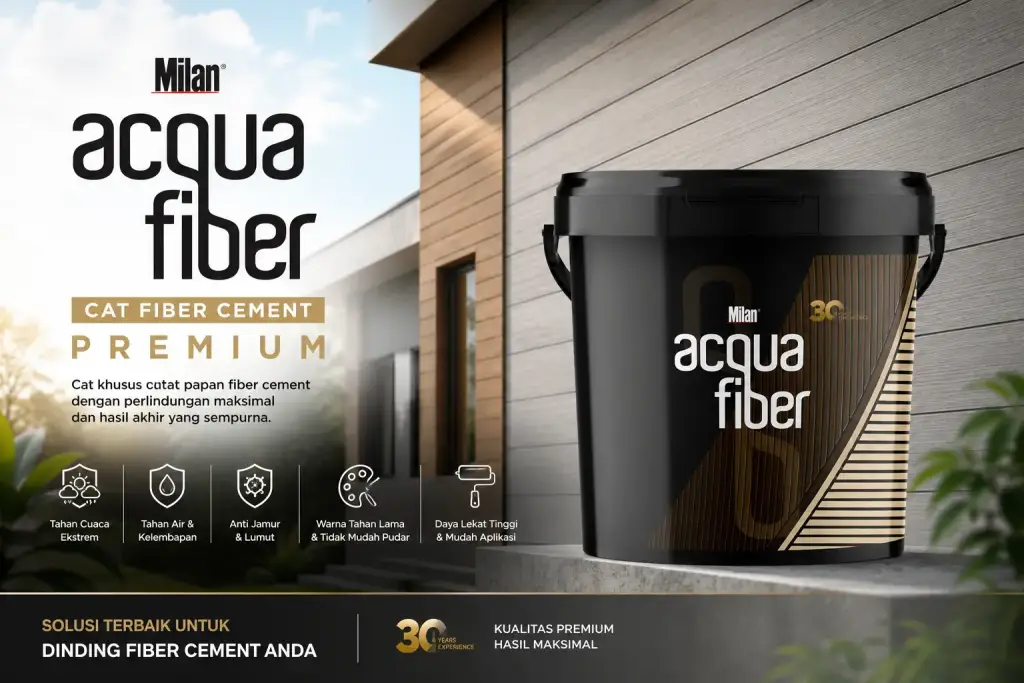
If Milanians are looking for a fiber-cement board paint that offers both protection and a neat finish, Milan Acqua Fiber is an option worth considering.
Milan Acqua Fiber is a premium water-based paint specifically designed for fiber-cement surfaces, providing excellent adhesion.
Its benefits include providing protection against weather exposure, helping colors last longer, and helping to inhibit mold growth on the surface of the boards.
In addition, the formula also produces a smooth finish, giving the walls a cleaner, more modern look.
By using paint that is specifically formulated for fiber cement, the process of maintaining fiber cement surfaces to make them last longer becomes easier because the protective coating works more effectively than regular paint.
The Benefits of Using Milan Acqua Fiber for Fiber-Cement Walls
Milanians need not hesitate to choose Milan Acqua Fiber’s special fiber-cement paint, as it offers a variety of benefits, such as:
- Specially formulated for fiber-cement boards.
- It adheres strongly to fiber-cement surfaces.
- Resistant to weather and UV exposure.
- Helps protect surfaces from moisture.
- Helps inhibit the growth of mold and algae.
- The color lasts longer and doesn't fade easily.
- The final result is smooth and even.
- It is water-based, making it more convenient to use.
- Easy to apply with a brush, roller, or spray.
- Suitable for use in both indoor and outdoor areas.
Don’t Wait Until Your Fiber Cement Is Damaged—Give It Maximum Protection with Milan Acqua Fiber!
Fading paint, a dull surface, and the appearance of mold are signs that fiber cement needs better protection.
Rather than spending more money on repairs or replacements down the road, it’s better to use paint that’s specifically formulated to maintain the durability and beauty of the surface.
Milan Acqua Fiber It offers a solution to address these needs and challenges. Made from 100% acrylic polymer—specifically formulated for fiber cement—this transparent paint gives the panels an elegant and natural look.
Anti-mold and weather-resistant technology ensures that Milanians fiber-cement walls will last for decades. So, contact the Milan Indonesia expert team today to get instructions on how to use them with Click the banner below!