How has an Indonesian furniture company earned the trust to undertake hotel and luxury residential projects in various parts of the world?
That question was one of the reasons Milan paid a visit to Saniharto, an Indonesian furniture manufacturer that has grown into a global player in the premium furniture industry.
Through the “Milan Goes to Saniharto” – Saniharto invites us to take a closer look at the company’s journey, the processes behind its high-quality furniture, and how an Indonesian company builds trust in the international market.
From a Family Business to a World-Class Furniture Manufacturer
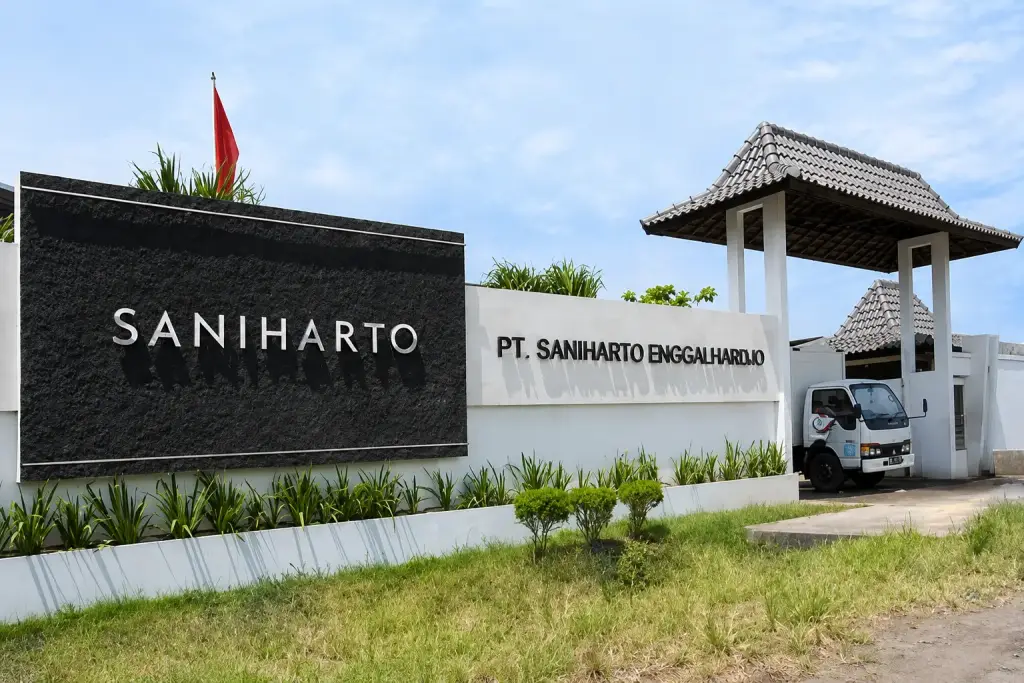
Journey Saniharto It began in 1990 as a family business founded by four siblings.
The name Saniharto itself comes from the names of its founders, namely Santoso, Yani, Harsono, and Winarto.
“At first, we focused more on supplying doors for apartments in Jakarta. We made sliced veneer. Then we started making loose furniture. And finally, we began supplying the hospitality industry.”,” said Saniharto, the source
One of the key moments in Saniharto’s journey was when the company began working on the hotel project. It was from this point on that Saniharto’s path to the international market began to open up.
Not Just a Brand, but Also Has Its Own Manufacturing Facilities
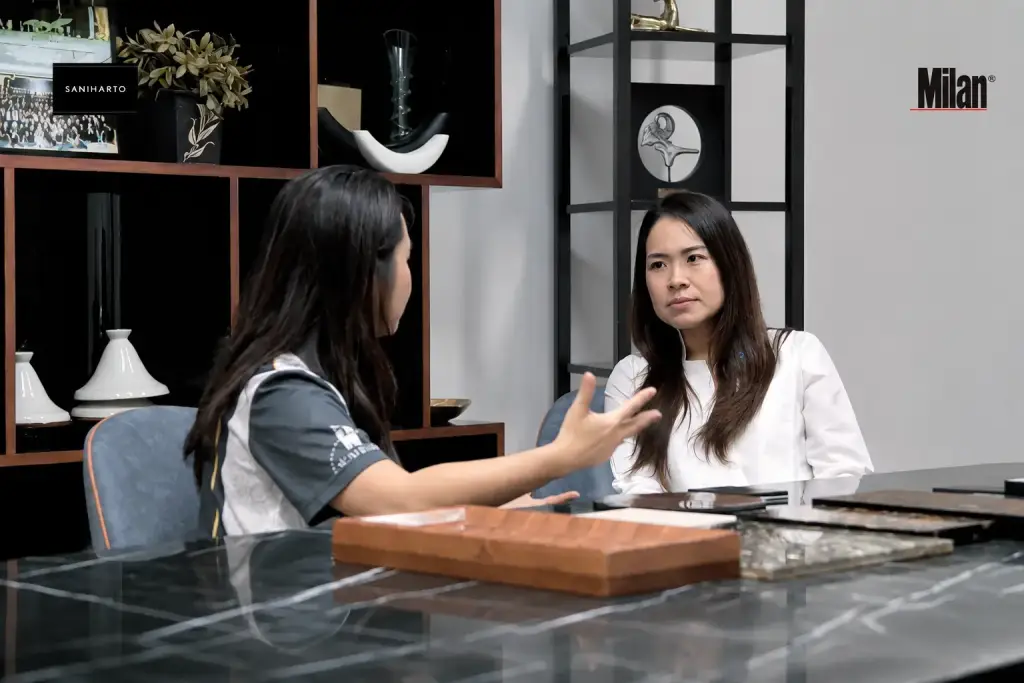
Saniharto then went on to achieve success from suppliers through an OEM arrangement to building our own brand and sales network.
That journey then took Saniharto to various international markets, starting with The United States, then the Middle East and Asia.
Currently, Saniharto also has an international service infrastructure in Asia, the United States, Europe, and the Middle East to support the needs of customers in various regions.
In an interview conducted by the Milan Team, Saniharto explained:
“We’re truly unique because we’re not just a brand—we’re also our own manufacturer. In fact, we handle our own sales..”
An integrated model like this allows Saniharto to control more aspects of the production process.
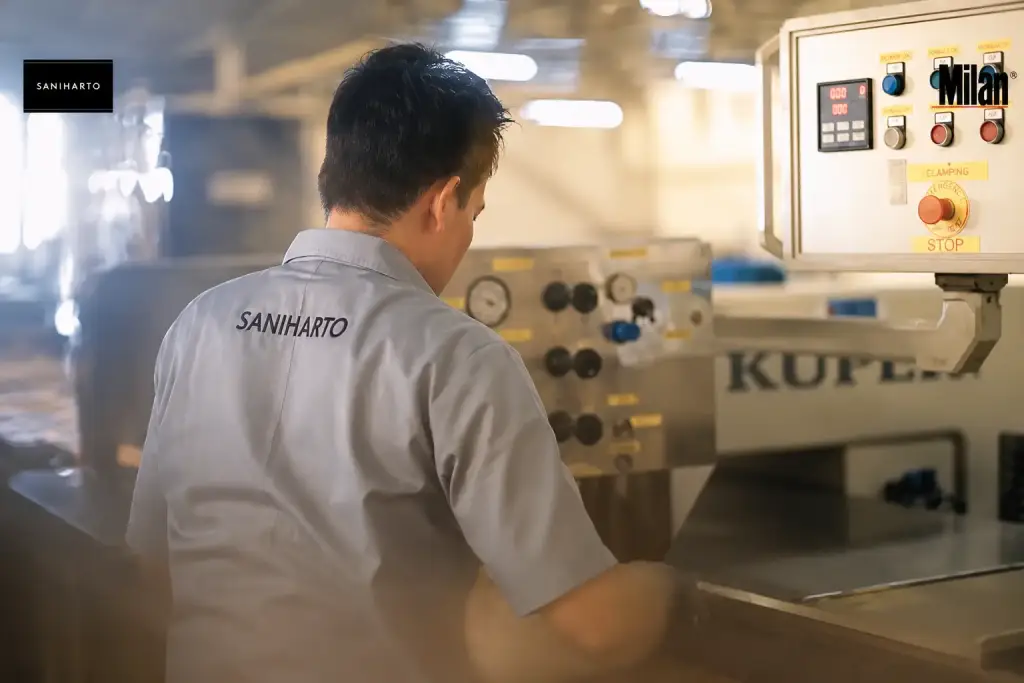
The company’s manufacturing facilities are also integrated, starting with material processing, veneer slicing, drying, machining, milling, assembly, finishing, inspection, and specialized packaging.
By managing these various stages within a single manufacturing system, Saniharto is able to maintain consistent quality while tailoring its products to the needs of each project.
From Indonesia for International Projects

Saniharto's travels then took him to various countries.
For the market America, Saniharto works in collaboration with a number of representatives located in various regions, such as The West Coast, the East Coast, Atlanta, and all the way to Texas.
In addition to the United States, Saniharto also expanded his network to the region The Middle East and Asia.
To date, Saniharto has worked on various projects in the international market, including hospitality projects.
One of our longest-standing partnerships is with the Wynn Hotel in Las Vegas, which has been in place since 2006.
At Indonesia In addition, Saniharto’s various projects can also be found in a number of well-known hotels and properties, including projects in Semarang, Yogyakarta, Jakarta, and Bali.
In an interview with the Milan Team, Saniharto mentioned, among others: Padma Semarang, InterContinental, Fairmont, Raffles Jakarta, and InterContinental Bali.
This journey demonstrates that Indonesia’s manufacturing capabilities also have great potential to compete in the global market when backed by strong quality and consistency.
Committed to Maintaining Quality from Start to Finish
Entering the international market is certainly not just about creating attractive designs. Another challenge is ensuring that products maintain consistent quality across various conditions and project requirements.
Saniharto implements quality control from the very beginning—from material selection through production and quality control.
“We really put in the effort from start to finish—from the materials themselves and the quality of the materials we purchase, to the manufacturing process, right through to the quality control team, from beginning to end., “ said Saniharto, the source
For Saniharto, the focus on quality doesn’t end once a product is finished.
For some projects, particularly in Indonesia and In the Asian region, Saniharto also handles installation and after-sales service.
This means that our services go beyond just furniture production; they can encompass a broader range of processes, from purchase orders to installation and after-sales service.
Creating Furniture That Can Withstand a Variety of Conditions
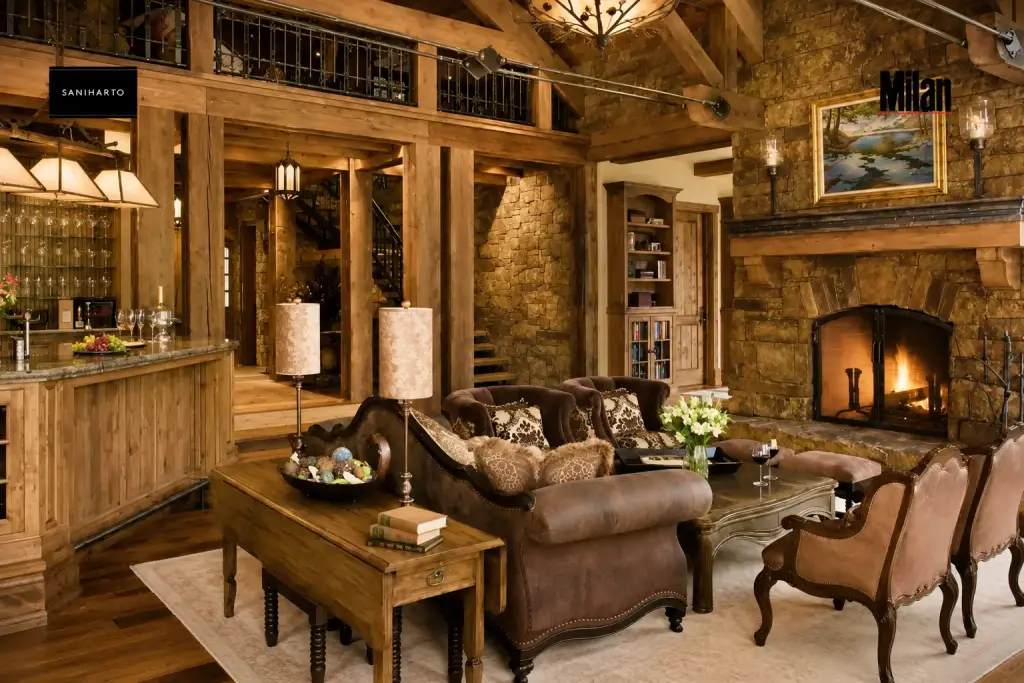
Global markets present a variety of challenges.
Furniture used in tropical regions is naturally subjected to different conditions than furniture used in areas with cold winters.
It’s no surprise, then, that Saniharto needs to ensure his products can be used in a variety of conditions.
During the conversation, it was mentioned that Saniharto works on projects in various regions, ranging from Hawaii and Utah to Florida and tropical areas such as Bali.
“From the very beginning, we really have to be able to handle any season. For example, places like the St. Regis in Utah, then Florida, which has a more tropical climate, and then Bali, which is more humid—we really have to be able to adapt to those conditions, ”
Not only do environmental conditions vary, but the design requirements for each market may also differ.
For example, some markets prefer a rustic, open-pore look, while other projects call for more decorative design details.
The ability to adapt to those needs is a crucial part of working on international projects.
Combining Technology with the Craftsmanship of Indonesian Artisans
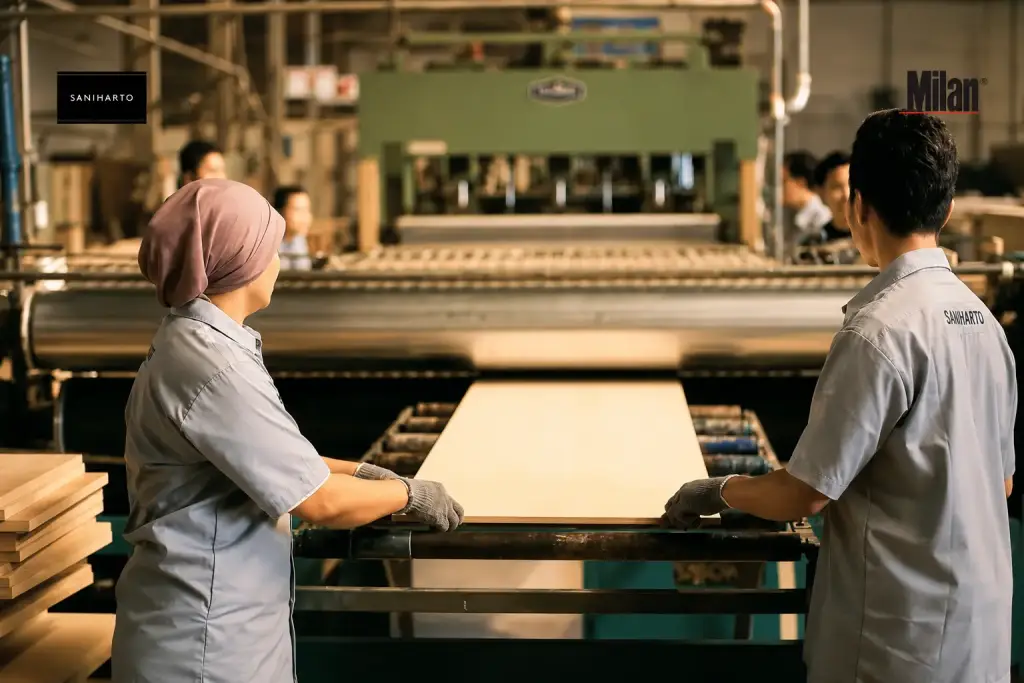
The products are not only made using machines, but also draw on the expertise of Indonesian artisans to create specific details and characteristics.
“We can indeed combine manual labor and handcrafted work—specifically, traditional Indonesian craftsmanship—with machinery.”
This approach allows Saniharto to handle a wide range of design needs, from carving, elements of Indonesian heritage, batik, the use of metal, and materials such as mother-of-pearl.
As a result, the furniture produced not only serves as a product but also conveys a stronger sense of character and design value.
Continuing to Innovate in Line with Design Trends
The furniture and hospitality industries continue to grow. Design trends are evolving, market needs are becoming more diverse, and designers are increasingly bold in exploring new materials and techniques.
From that point on, innovation has been an integral part of Saniharto’s journey.
“We have to keep up with the times to be able to get the job done. We really do have to keep innovating—whether it’s in materials, finishes, or other areas..”
The use of various new materials and techniques is one way Saniharto strives to keep pace with industry developments.
What's the Secret to Going Global?
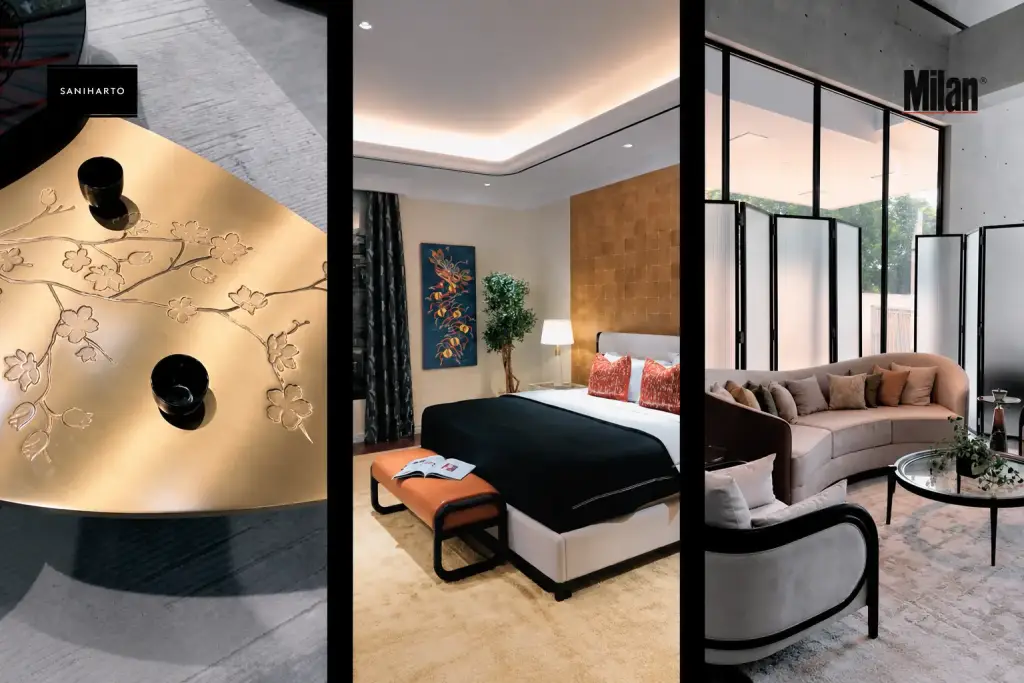
For companies that want to follow a similar path and begin entering international markets, Saniharto shared one important piece of advice: start by giving it a try and building connections.
According to Saniharto, one of the first steps that can be taken is to enter the market through the OEM model.
“First of all, you probably need to have connections. At first, you could probably go the OEM route. Going the OEM route is definitely easier.”
Through OEM partnerships, companies can first gain experience as suppliers and understand how the international market operates.
However, when you want to build your own brand, the challenges are certainly greater.
The company must have a broader organizational structure, including a representative team, an office, and an after-sales service system.
“When you’re supplying products under your own brand, it does require more PR efforts, because it’s as if we have a representative team. It’s not just representatives—we also have an office. So the setup is definitely more involved.”
In other words, becoming a global brand isn’t just about selling products overseas. It requires building systems, networks, services, and consistency over the long term.
Milan and Saniharto: Sharing Stories About Quality and Indonesian Industry
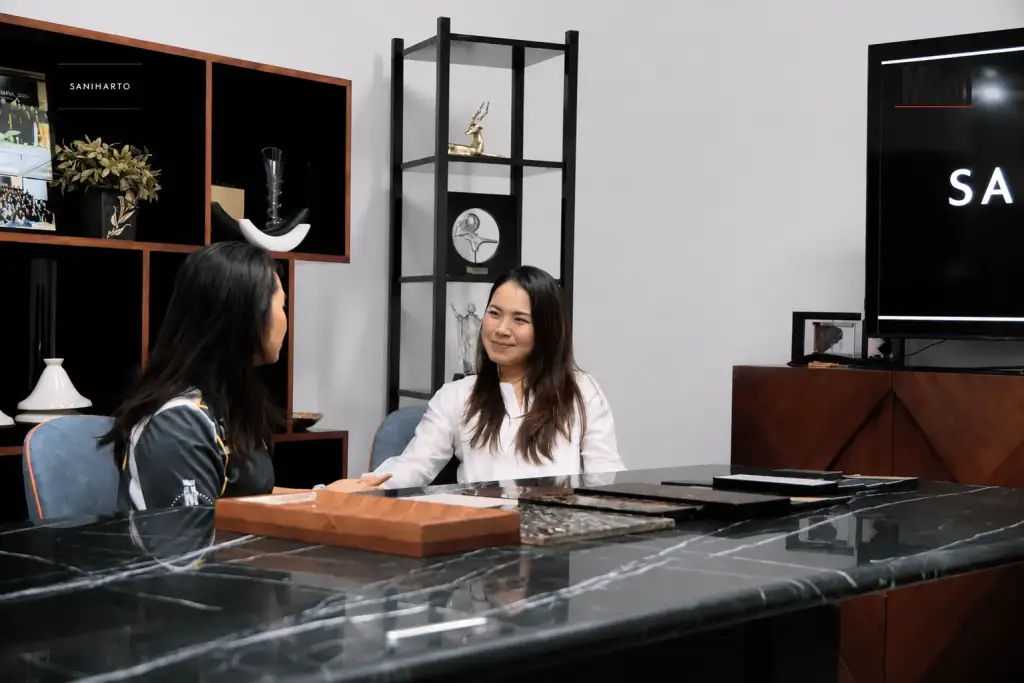
Through Milan Goes to Saniharto, Milan wants to give the audience a closer look at how an Indonesian company has grown and is able to participate in international projects.
This collaboration is more than just a visit or a conversation about furniture. It tells the story of the family’s business journey, the process of building a brand, maintaining quality, meeting the needs of the global market, and the importance of continuous innovation.
Behind every piece of furniture that looks perfect lies a lengthy process involving materials, manufacturing, quality control, craftsmanship, design, and installation.
And behind Saniharto’s journey toward the global market lies a commitment to continuous learning and growth.
As mentioned in that conversation, Saniharto’s success did not happen in a vacuum.
“It’s a team—it really is all about teamwork. So we’re very grateful to be part of the Saniharto team..”
For Milan, stories like this are important to share. The more stories there are about Indonesian industries that can compete on a global scale, the more inspiration there will be to encourage other industry players to dare to grow even further.
"Milan Goes to Saniharto" is one way to learn more about this journey—from Indonesia, for the world.