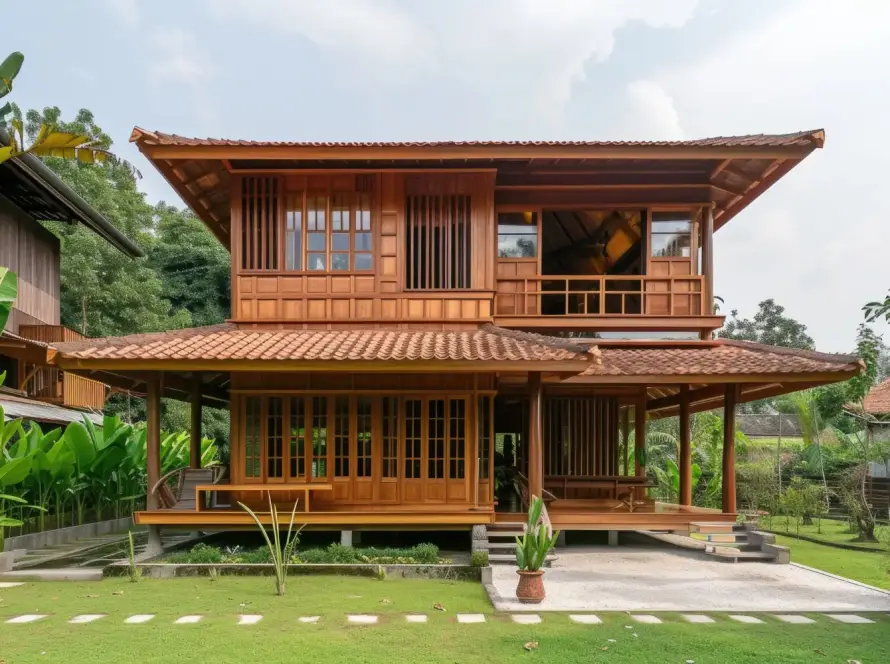
Outdoor building materials must withstand a variety of weather conditions every day, ranging from heavy rain, UV exposure, and high humidity to extreme temperature fluctuations. Without proper protection, The material will deteriorate more quickly, both in terms of appearance and structural strength.
Therefore, choosing a solution to protect outdoor materials from extreme weather is an important step to ensure that the building remains durable, safe, and visually appealing over the long term. Milanians need to pay attention not only to the quality of materials, but also to protection systems that can mitigate the adverse effects of weather on building surfaces.
Why Do Outdoor Building Materials Need Protection from Extreme Weather?
Materials located on the exterior of a building are always directly exposed to the environment. Constant sunlight can causes the color to fade, The surface dries out, and in some materials, this can even cause hairline cracks. On the other hand, Rainwater can seep into the pores of the material and cause the growth of moss and mold, as well as moisture-related damage.
The daily temperature fluctuations also causes the material to undergo repeated cycles of expansion and contraction. If left unprotected for a long time, these conditions can cause cracks, peeling of the finish, and even reduce the material’s durability.
That’s why solutions to protect outdoor materials from extreme weather are a much more cost-effective investment than having to renovate or replace materials in the short term.
The Importance of Protecting Outdoor Materials from Extreme Weather

Protection isn't just about keeping a building's exterior clean and attractive. The right protective coating also helps reduce water absorption, prevent staining, slow down the weathering process, and maintain the material’s strength.
Well-protected materials have a longer service life because the risk of damage from rain and UV rays can be minimized. In addition, routine maintenance costs are lower because the material’s surface is less prone to severe damage.
By implementing solutions to protect outdoor materials from extreme weather, Milanians can preserving the building’s aesthetic value while enhancing its durability to various environmental conditions.
When Is the Best Time to Apply Outdoor Surface Protection?
The best time to take protective measures is Once the material has been installed and before it begins to be exposed to the elements on a continuous basis. This step helps the protective coating work to its full potential before water or sunlight begins to damage the material’s surface.
In addition to the initial application, protection should also be applied after a thorough cleaning or when the old protective coating begins to show signs of deterioration, such as water starting to penetrate the surface easily.
The dry season is the ideal time because the material is drier, allowing the protective coating to penetrate and dry optimally.
Solutions for Protecting Outdoor Materials from Extreme Weather
1. Perform Regular Maintenance
Regularly cleaning the surface of materials helps remove dust, moss, mold, and dirt that can accelerate deterioration. Regular maintenance also makes the inspection process easier, so that small cracks or minor damage can be repaired right away before it gets worse.
2. Make Sure the Drainage System Is Properly Installed
Standing water is one of the main causes of damage to outdoor materials. Make sure Gutters, drains, and floor slopes are functioning properly so that rainwater doesn't pool for too long.
Good drainage also helps reduce excess moisture that can lead to the growth of mold and moss on walls, natural stone, and concrete.
3. Use a Special Protective Coating
One of the most effective ways to protect outdoor materials from extreme weather is to use a protective coating suited to the material’s characteristics.
For porous materials such as concrete, natural stone, exposed brick, cement panels, and exterior walls, The use of a water-repellent treatment can reduce water absorption without altering the natural appearance of the surface.
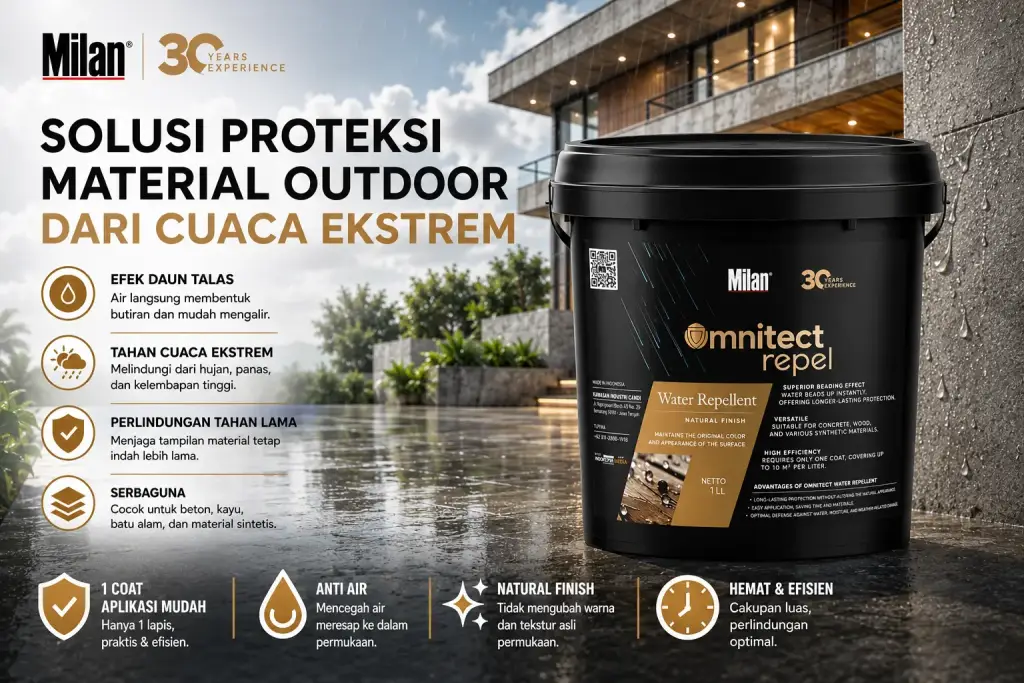
One of the recommendations is Milan Omnitect Water Repellent It features a transparent protective coating and utilizes hydrophobic technology, so that water forms a “lotus leaf effect” and does not easily penetrate the material.
In addition to helping reduce the risk of leaks, moss, and mold, It still looks natural because it does not form a film on the surface. This product is suitable for use on concrete, natural stone, brick, cement panels, and various other porous building materials.
4. Use Shelters for Immediate Protection from the Weather
Canopies, pergolas, additional roofs, and sunshades can reduce direct exposure to rain and sunlight. With this physical protection, outdoor materials are not fully exposed to the elements, which extends their service life.
The shelter also helps keep the surface drier after it rains, thereby reducing the risk of moss growth.
5. Apply Weather-Resistant Paint
For materials that require a colored finish, use a special exterior paint that is resistant to UV rays, rain, and temperature changes.
Weather-resistant paint retains its color longer, reduces the risk of peeling, and provides additional protection for the surface of the material.
One recommendation that Milanians can follow is Milan Omnitect As a premium exterior wall paint that provides maximum protection for outdoor surfaces, ensuring a neater, more durable finish.
When Is the Best Time to Maintain Outdoor Materials to Ensure a Long Service Life?
There is no single schedule that applies to all materials, as it depends on the building’s location, the degree of weather exposure, and the types of materials used. However, visual inspections should be conducted Once every 1 or 2 months to make sure there are no cracks, peeling, or moss growth.
Light cleaning can be done regularly to prevent dirt from building up. Meanwhile, reapplying the protective coating should be done according to the product’s recommendations or when the water-repellent properties begin to diminish. With consistent maintenance, this solution for protecting outdoor materials from extreme weather will be more effective in extending the materials’ lifespan.
See Also: Solutions for Dealing with Mold and Moss on Natural Stone
Types of Outdoor Materials That Require Extra Protection
1. Wood
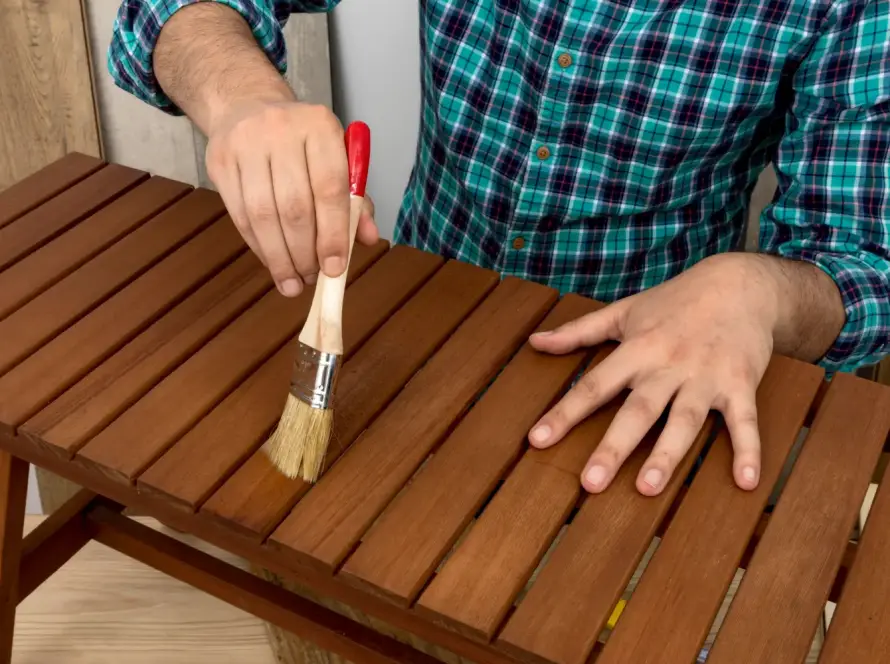
Wood is highly susceptible to absorbing water, making it prone to swelling, decay, and attacks by mold and termites if not properly protected.
2. Glass
Although glass does not absorb water, it still requires protection from water spots, mineral deposits, and temperature changes that can detract from a building’s aesthetic appeal.
3. Bricks
Exposed brick has fairly large pores, so it easily absorbs rainwater. If left untreated, moisture can cause moss to grow and lead to efflorescence—white stains on the surface.
4. Concrete
Concrete is indeed very strong, but it still has pores that allow water to penetrate the structure. This can accelerate cracking and corrosion of the steel reinforcement inside.
5. Natural Stone
Natural stone is prone to discoloration due to water absorption and moss growth. Proper protection helps preserve its natural appearance while extending the material’s lifespan.
6. Metals
Metals used on the exterior of buildings are highly susceptible to corrosion once their protective coating begins to deteriorate. Therefore, protection against water and moisture is essential.
7. Ceramics
Outdoor ceramic tiles still require protection, especially the grout, which easily absorbs water. If left unchecked, water can seep underneath and cause damage to the adhesive layer.
8. Wall Panels
Wall panels made of fiber cement or composite materials require protection from moisture and sunlight to prevent them from cracking, warping, or discoloring.
Milan Omnitect Water Repellent: A Solution for Extra Protection of Outdoor Materials While Preserving the Natural Look of Walls
If Milanians are looking for a solution to protect outdoor materials from extreme weather while preserving the materials’ natural appearance, Milan Omnitect Water Repellent could be the right choice.
Milan Omnitect Water Repellent is a transparent protective coating designed to reduce water absorption in various porous materials such as concrete, natural stone, brick, cement panels, and exterior walls. Thanks to its hydrophobic technology, water does not easily penetrate the surface, so helps reduce the risk of seepage, mold and mildew growth, and moisture-related damage.
As a flagship product of PT Indocipta Wisesa, Milan Omnitect Water Repellent helps maintain a natural finish because it does not alter the material’s original color or texture.
As evidenced by the projects carried out by Milan Indonesia, Omintect Water Repellent provides protection for the natural stone at the Mahavira Graha Vihara in Semarang.
Read More: Protection of the Natural Stone at the Mahavira Graha Vihara in Semarang Using Milan Omnitect Repel
Want to Protect Your Outdoor Materials from Extreme Weather? Start Using Milan Omnitect Water Repellent Today!
Don’t hesitate any longer! Milanians who want their buildings to retain their natural appearance even when constantly exposed to extreme weather conditions such as sunlight and rain should apply a protective coating from Milan Omnitect Water Repellent The solution!
Get the right usage guide from the Milan Indonesia team of experts by Click the banner below!