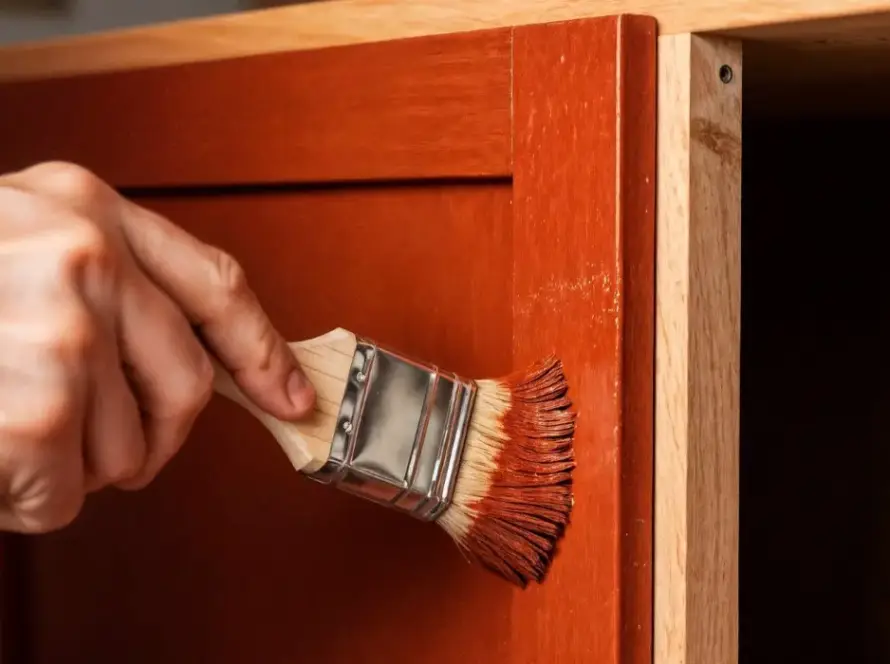
Choosing the type of wood for furniture isn’t just about appearance, but also determines the strength, durability, and quality of the final product. Each type of wood has different characteristics, ranging from hardness, grain pattern, and natural color to its resistance to weather and pest damage.
It’s no surprise that Milanians who are planning to have tables, chairs, cabinets, kitchen sets, or various other interior items made, Understanding the characteristics of each type of wood will help you create furniture that is more durable, aesthetically pleasing, and of high value.
Here is a list of the best types of wood for furniture that are most commonly used in Indonesia and on the international market.
Why Is Choosing the Right Wood Important for Furniture?
Choosing the Type of Wood for Furniture directly affects the structural strength, visual appearance, and service life of the product. Wood that is too soft for a particular purpose is at risk of warping, cracking, or deteriorating more quickly with long-term use.
In addition, each type of wood has its own unique grain pattern and natural color. Some woods are best suited for a luxurious look with a solid finish, while others are more appealing when their natural color is preserved. Therefore, The choice of wood should be tailored to the design of the furniture you want to create.
Another equally important factor is resistance to termites, moisture, and weather changes. Indoor and outdoor furniture naturally require different types of wood to ensure they remain durable and do not deteriorate easily.
See Also: Understanding Aliphatic Glue: A Professional Adhesive for Woodworking
The 10 Best Types of Wood for Furniture
1. Teak Wood: The Top Choice for Premium Furniture
Teak wood is known as one of the This type of wood is the best for furniture because it has beautiful grain, a high natural oil content, and exceptional durability.
- Characteristics: Firm fibers, golden-brown color, dense texture.
- Suitable for: Dining tables, chairs, cabinets, doors, outdoor furniture, and premium products.
- Advantages: It is very strong, termite-resistant, weather-resistant, and has high resale value.
- Disadvantages: It is relatively expensive and takes a long time to grow.
2. Trembesi Wood: Suitable for Large Furniture Pieces
Trembesi wood has a large trunk, so it is often used for wide furniture without much continued.
- Characteristics: A unique fabric featuring a combination of light and dark colors.
- Suitable for: Solid wood tables, conference tables, large dining tables, and countertops.
- Advantages: An exclusive look, large board size, and attractive wood grain patterns.
- Disadvantages: It is quite heavy and requires thorough drying to prevent warping.
3. Mahogany Wood: A More Solid and Elegant Finish
Mahogany is a popular choice for interior furniture because it is easy to work with and produces a neat finish.
- Characteristics: A smooth texture with a reddish color.
- Suitable for: Cabinets, dressers, desks, chairs, and carved furniture.
- Advantages: Easy to shape, easy to carve, and suitable for a variety of finish colors.
- Disadvantages: Its weather resistance is not as good as that of teak.
4. Sungkai Wood: The Ideal Choice for Natural-Colored Furniture
In recent years, sungkai has become one of the most widely used types of wood for furniture in modern minimalist designs.
- Characteristics: Bright colors with beautiful natural fibers.
- Suitable for: Tables, shelves, cabinets, and Scandinavian-style furniture.
- Advantages: An attractive, natural look and relatively light weight.
- Disadvantages: Its hardness is lower than that of teak and merbau.
5. Mindi Wood: More Economical and Not Too Hard
Mindi wood is often an alternative for furniture manufacturers who need high-quality materials at a more affordable price.
- Characteristics: The color is bright and the texture is fairly smooth.
- Suitable for: Desks, cabinets, bookshelves, and household furniture.
- Advantages: It's easy to do and relatively affordable.
- Disadvantages: It is not as strong as teak or merbau for heavy-duty use.
6. Pine Wood: Aesthetic and Ideal for Minimalist Designs
Pine wood is a favorite in modern interior design because it creates a warm and natural feel.
- Characteristics: A light color with distinctive wood grain.
- Suitable for: Wall shelves, desks, interior decor, and minimalist furniture.
- Advantages: Lightweight, easy to process, and affordable.
- Disadvantages: It is relatively soft, so it scratches more easily.
7. Merbau Wood: Strong and Termite-Resistant
Merbau is known as a hardwood that offers excellent resistance to tropical environments.
- Characteristics: A reddish-brown color with a firm texture.
- Suitable for: Tables, wooden floors, stairs, and heavy furniture.
- Advantages: Strong, termite-resistant, and moisture-resistant.
- Disadvantages: It is heavier and more difficult to work with.
8. Ulin Wood: Hard but Weather-Resistant
Ulin wood is often referred to as “ironwood” because of its extremely high hardness.
- Characteristics: It is very dense and has natural water resistance.
- Suitable for: Outdoor furniture, gazebos, decking, and open areas.
- Advantages: Extremely durable and resistant to extreme weather.
- Disadvantages: It's difficult to do, and the price is quite high.
9. Acacia Wood: Strong and Eco-Friendly
Acacia is one of the Types of wood for furniture which is widely used because it comes from sustainably managed plantations.
- Characteristics: An attractive fiber with a golden-brown color.
- Suitable for: Dining tables, cabinets, chairs, and home furniture.
- Advantages: Strong, stable, and more environmentally friendly.
- Disadvantages: It requires a good protective finish to preserve the color.
10. Oak: Aesthetic with a Reddish-Brown Hue
Oak is widely used in premium European-style furniture because of its elegant appearance.
- Characteristics: Firm texture and a reddish-brown color.
- Suitable for: Dining sets, kitchen sets, premium cabinets, and modern furniture.
- Advantages: Strong, durable, and highly aesthetic.
- Disadvantages: The prices are relatively high because most of the materials are imported.
Tips for Choosing the Right Type of Wood for Furniture
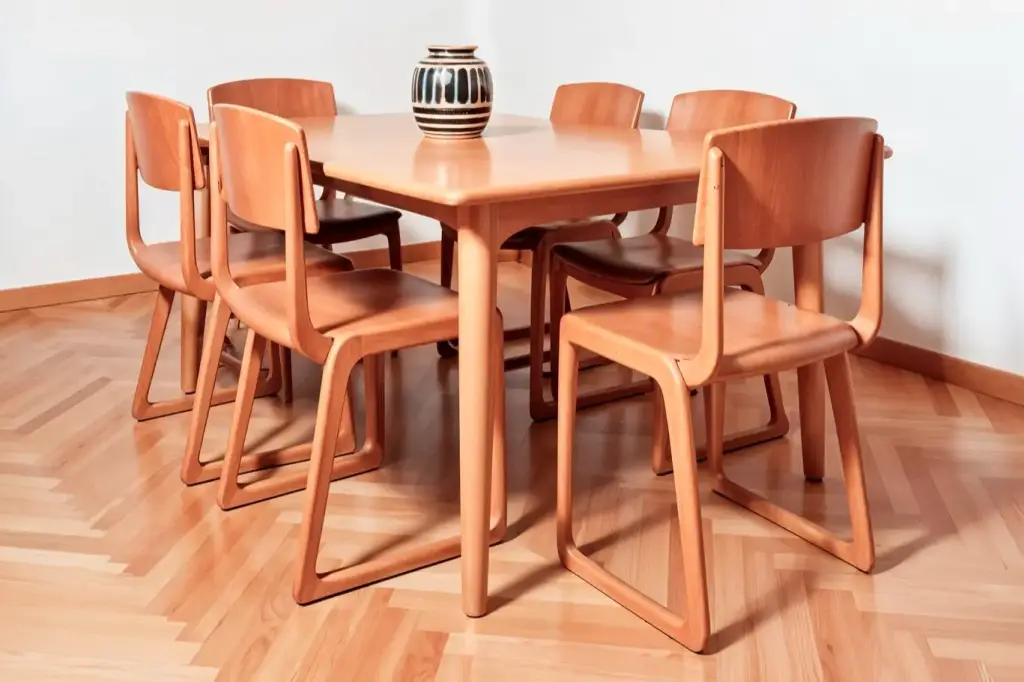
1. Adjust According to Your Needs
Indoor and outdoor furniture require different types of wood. For outdoor areas, choose weather-resistant woods such as teak or ironwood. For indoor use, sungkai, mahogany, or pine can be more economical options.
2. Identify and Understand the Type of Wood You’ve Chosen
Each type of wood used for furniture has a different level of hardness, color, and grain pattern. Understanding these characteristics will help determine the design, finishing methods, and lifespan of the furniture.
3. Check for Weather and Pest Resistance
Make sure the wood has good resistance to moisture, mold, and termites. This factor is especially important for furniture used in tropical regions with high humidity levels.
4. Keep an Eye on Your Budget
Wood prices vary widely. Teak and oak are generally considered premium woods, while pine, mindi, and sungkai offer more economical options without compromising on aesthetics.
5. Make sure the wood you use is dry
Wood with high moisture content is at risk of shrinking, cracking, or warping after use. Therefore, choose wood that has undergone kiln drying or optimal drying before being made into furniture.
See Also: Understanding HPL Adhesive: A Strong Bonding Solution for Premium Interior Furniture
How to Ensure High-Quality and Durable Furniture
1. Use the Type of Wood That Best Suits Your Needs
Choosing the right materials is the cornerstone of high-quality furniture. Wood that is suited to its intended use will result in a product that is more durable and requires minimal maintenance.
2. Use High-Quality Glue and Hardware
Strong joints play a major role in determining the lifespan of furniture. For laminating, finger joints, or wood construction, Milanians can use Milan Aliphatic which has high adhesion and is heat-resistant.
For connections that require extra durability, Milan PU 845 is the ideal choice because it has strong bonding strength and is water-resistant. Meanwhile, if you need to laminate wood with a higher moisture content, then Milan PU Adhesive X the best choice.

3. Sand Gently; Don’t Rush
Proper sanding helps make the wood surface smoother, allowing the finish to adhere more effectively. Work gradually from coarse to fine grit for a more professional result.
4. Make Sure the Painting Technique Is Done Correctly
The right staining process will enhance the aesthetic appeal of your furniture. Apply a thin but even coat—don’t make it too thick—using either a spray or a brush. Then, be sure to let each coat dry completely before applying the next one.
If Milanians need the best wood stain for their furniture, Milan Indonesia’s products are the answer. To preserve the natural grain of the wood, Milanians can use Milan Acqua Stain as a water-based dye available in a wide variety of colors.
However, if you want to highlight the beauty of the wood’s natural color while also providing additional protection, Milan Water and Oil could be an option.
5. Apply the Appropriate Finish
A finish serves as both a protective layer and an aesthetic enhancement. Choosing the right finish can help protect wood from scratches, moisture, sunlight, and temperature changes.
Milanians can use finishing products from Milan Indonesia. For example, if you want a smooth, quick-drying finish, then Milan Nitrocellulose It is ideal for use on a wide variety of interior furniture products.
Want Higher-Quality Furniture? Start with the Right Products from Milan Indonesia!
With the right combination of wood types for furniture, high-quality glue, and an appropriate finishing system, furniture will look more attractive, be stronger, and last for years.
If Milanians want to create furniture with strong adhesion, a more premium look, and long-lasting protection, it’s time to use products from Milan Innovative Coating & Adhesive Solutions!
Click the banner below For a FREE consultation on your furniture project with the Milan Indonesia Expert Team!