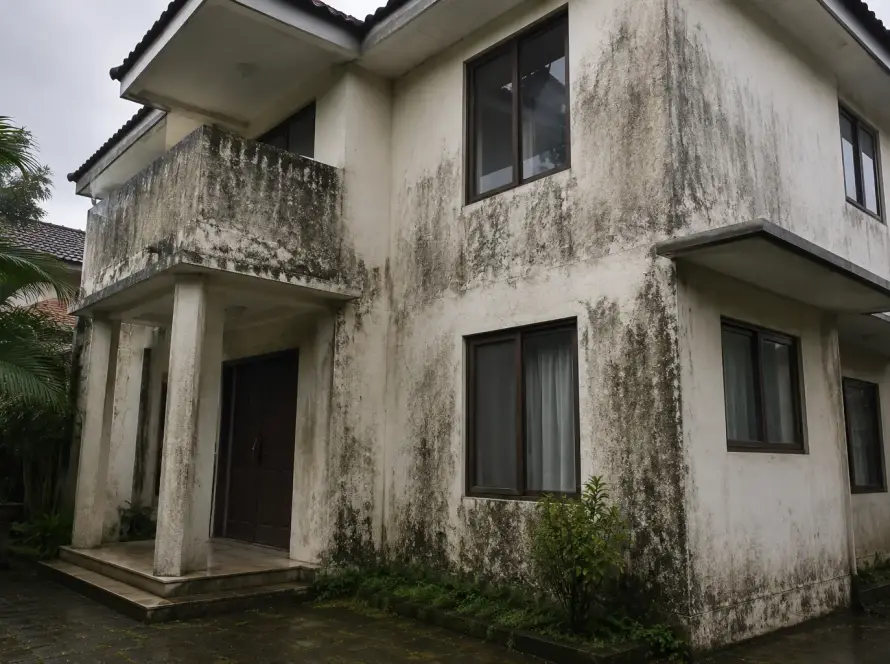
When renovating a home or building a new structure, many people focus on choosing a paint color. However, there’s another factor that’s just as important: choosing the right type of paint for its intended use. Quite a few people still assume that all wall paints are the same, so they use interior paint outdoors—or vice versa.
In fact, the difference between interior and exterior paint goes beyond just the label on the container. The two are designed with different formulas, durability, and functions. If you choose the wrong one, the paint may fade or peel more quickly, or even make the walls more prone to mold.
Before deciding to paint a new building, Milanians should first understand the difference between interior and exterior paint. This can help ensure a more durable and neat finish, while also saving on maintenance costs in the long run.
Why Is It Important to Use the Right Wall Paint for Each Purpose?
Wall paint does more than just beautify a building. A coat of paint also serves as the first line of defense, protecting walls from various factors that can damage them.
For exterior surfaces, paint must be able to withstand daily exposure to sunlight, rain, temperature fluctuations, dust, and high humidity. Meanwhile, interior paint is designed primarily to create an attractive finish, be easy to clean, have a more pleasant scent, and be safe for indoor use.
Using paint that’s suited to its intended purpose also helps maintain the quality of your walls for longer. The risk of hairline cracks, peeling paint, mold growth, and rapid fading can be minimized if the product you use is specifically designed for those conditions.
Differences Between Interior and Exterior Paint for Building Walls
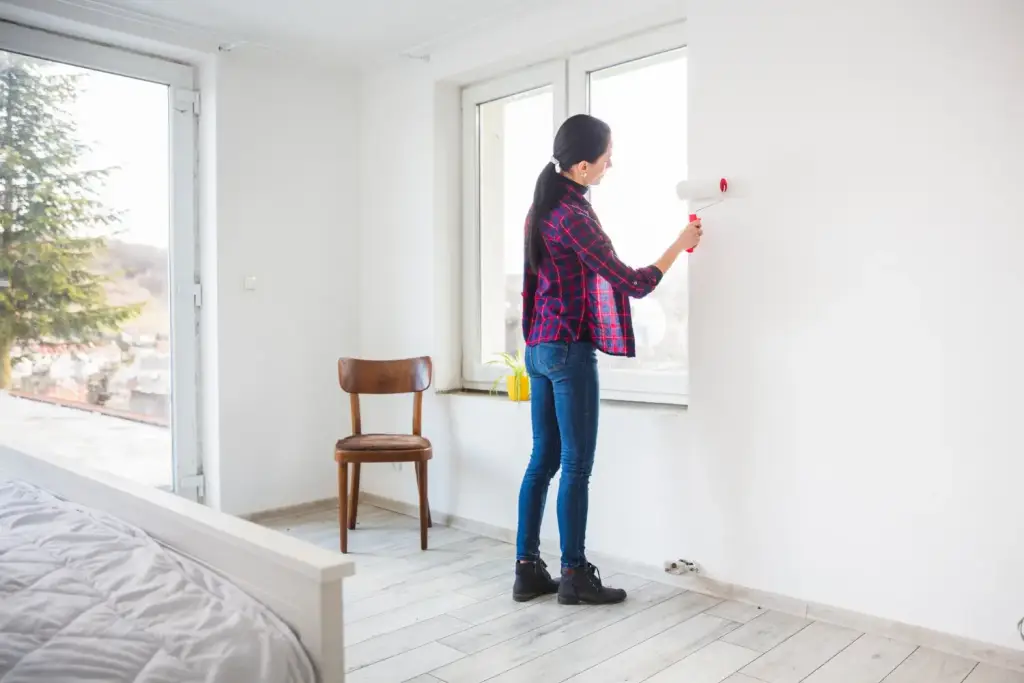
1. Function and Purpose of Use
Interior paint is designed to beautify a room while creating a comfortable atmosphere for its occupants. The focus is on a smooth finish, attractive colors, and ease of cleaning light stains.
In contrast, exterior paint is designed to protect exterior walls from extreme weather, UV exposure, rain, and pollution. Therefore, exterior paint generally offers much higher protection than interior paint.
2. Paint Formulas or Ingredients
The formula is one of the most fundamental differences between interior and exterior paint. Exterior paint typically contains resins, pigments, and additives that enhance its resistance to heat, rain, and humidity.
Meanwhile, interior paint prioritizes low-emission ingredients, a milder odor, and a finish that’s comfortable for indoor use. This formula helps maintain indoor air quality after the painting process is complete.
3. Resistance to Weather Changes
Exterior paint is designed to withstand year-round weather changes—from scorching heat and heavy rain to wind and constant temperature fluctuations.
Conversely, interior paint is not designed to withstand direct exposure to the elements. If used on the exterior of a building, the paint coating will deteriorate more quickly because it lacks protection against those environmental conditions.
4. Color Fastness
Exposure to ultraviolet rays is one of the main causes of paint fading. For this reason, exterior paint typically features color-protection technology to keep it vibrant even after prolonged use.
Interior paint does come in a wide variety of attractive colors. However, since it is not designed to withstand direct sunlight, interior paint colors will fade more quickly when applied to exterior surfaces.
5. Resistance to Moisture, Mold, and Mildew
The area outside the building has a much higher humidity level than the interior of the house. These conditions make the walls more susceptible to mold, moss, and stains caused by rainwater.
For this reason, exterior paint typically offers additional protection against moisture and the growth of microorganisms. Interior paint, on the other hand, does not provide such a high level of protection because indoor environments tend to be more stable.
6. Final Finish on the Wall Surface
The difference between interior and exterior paint is also evident in the final finish. Interior paint emphasizes a smooth, clean, and aesthetically pleasing finish. There are many finishing options, such as matte, satin, and semi-gloss, which make a room look more elegant.
Exterior paint, on the other hand, prioritizes a balance between aesthetics and protection. In addition to providing an attractive color, the paint coating must also be able to maintain the condition of the walls so that they remain protected over the long term.
Can Exterior Paint Be Used Inside a Building?
Technically, exterior paint can be used indoors because it is more durable than interior paint.
In fact, in certain areas such as the kitchen, garage, laundry room, or rooms with high humidity, exterior paint is often the preferred choice because it is more water-resistant and easier to clean.
However, Milanians still need to pay attention to the product specifications. Choose high-quality exterior paint that is low in VOCs and safe for indoor use. That way, indoor air quality is maintained without compromising the occupants’ comfort.
See Also: 5 Ways to Choose the Right Wall Finish for Both Interiors and Exteriors
Why Shouldn’t Interior Paint Be Used on Exterior Surfaces?
This is the most important reason why it’s essential to understand the difference between interior and exterior paint.
Interior paint offers no protection against UV rays, rain, temperature fluctuations, or high humidity. When used on the exterior of a building, the paint coating will deteriorate more quickly—fading, cracking, chalking, peeling, and even becoming overgrown with moss.
As a result, maintenance costs increase because repainting must be done more frequently. Therefore, the use of interior paint should be limited to the interior of the building.
Mistakes in Choosing Wall Paint That Can Shorten a Building’s Lifespan
Simply understanding the difference between interior and exterior paint isn’t enough to achieve the best results on Milanians’ buildings. There are several mistakes to avoid when choosing wall paint, including:
- Using interior paint on the exterior walls of a building.
- Do not use a base coat or primer.
- Painting walls that are still damp.
- Ignoring the ambient humidity level.
- Choosing paint based solely on color.
- Thinning the paint too much.
- Using low-quality products.
- Failure to follow the manufacturer's application instructions.
- Painting when weather conditions are unfavorable.
- Ignoring the wall surface preparation process.
Tips for Applying Wall Paint to Make It Last Longer
1. Make Sure the Wall Surface Is Clean Before Application
Remove dust, oil, cement residue, peeling old paint, and other debris. A clean surface helps the paint adhere better, reducing the risk of peeling.
2. Wait for the Plaster and Rendering to Dry First
Don’t rush to paint new walls. Make sure the plaster and skim coat are completely dry so that moisture doesn’t get trapped under the paint, which can cause bubbling or mold.
3. Use a Primer
Primer helps improve the paint’s adhesion, ensures more even color coverage, reduces paint absorption by the wall, and produces a more durable finish.
4. Choose Paint Based on Its Function and Intended Use
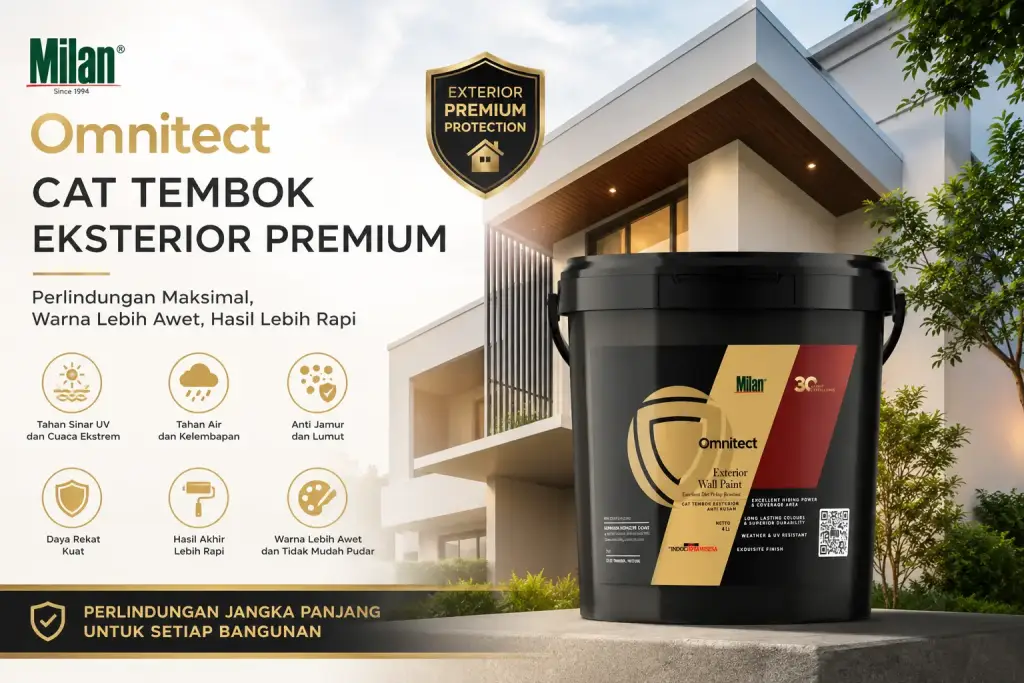
Choosing the right paint for the intended location is an important step in ensuring that the wall protection works as effectively as possible. For exterior areas, use paint that is specifically designed to withstand extreme weather, UV exposure, and high humidity.
One recommendation worth considering is Milan Omnitect Exterior Wall Paint. This product is designed to provide optimal protection for exterior walls while creating a neat and durable finish.
In fact, Milan Omnitect can also be used as interior wall paint because its formula provides good coverage with solid colors.
5. Follow the Dilution Instructions and Stir the Paint Thoroughly
The correct dilution ratio will result in a viscosity that meets the standard, making the paint easy to apply and ensuring optimal film thickness. Be sure to stir the paint until it is completely homogeneous before use.
6. Apply in several even layers using the appropriate tool
Use a roller, brush, or spray depending on the type of surface you’re painting. Apply two to three thin coats rather than one thick coat to ensure a smoother, stronger finish with better durability.
See Also: 9 Exterior Painting Mistakes That Cause Walls to Fade and Grow Mold Quickly
Milan Omnitect: A Premium Wall Paint Solution with Maximum Protection and a Smoother Finish
If you’re looking for high-quality exterior paint for your home, building, storefront, or construction project, Milan Omnitect Exterior Wall Paint could be the right choice. This product is designed to provide maximum protection against various weather conditions while creating a cleaner, neater, and more durable wall finish.
With its premium formula, Milan Omnitect helps keep colors vibrant longer and protects wall surfaces from various factors that can accelerate deterioration. This product is ideal for use in both new construction and building renovation projects to ensure optimal painting results.
Advantages of Milan Omnitect:
- Resistant to hot weather and rain.
- The color lasts longer and doesn't fade easily.
- Protection against UV rays.
- Helps prevent the growth of mold and mildew.
- Strong adhesion to wall surfaces.
- The final result is neater and more even.
- Suitable for various types of buildings.
- Easy to apply.
- Provides long-term protection for walls.
Still Not Sure Which Wall Paint Is Right for You? Consult with the Milan Team Today!
Simply understanding the difference between interior and exterior paint isn’t always enough to ensure your walls will last. If you’re still unsure, Milanians, asking an expert directly is the right move.
PT Indocipta Wisesa Through its brand, Milan offers high-quality, premium wall paint with a safe formula. With over 30 years of experience, Milan’s team of experts is here to help Milanians find the right product.
Do I have to use Milan Omnitect – Exterior Wall Paint or use another product that’s more suitable instead.
So, go ahead and click the banner below to schedule a consultation with Milan’s team of experts!