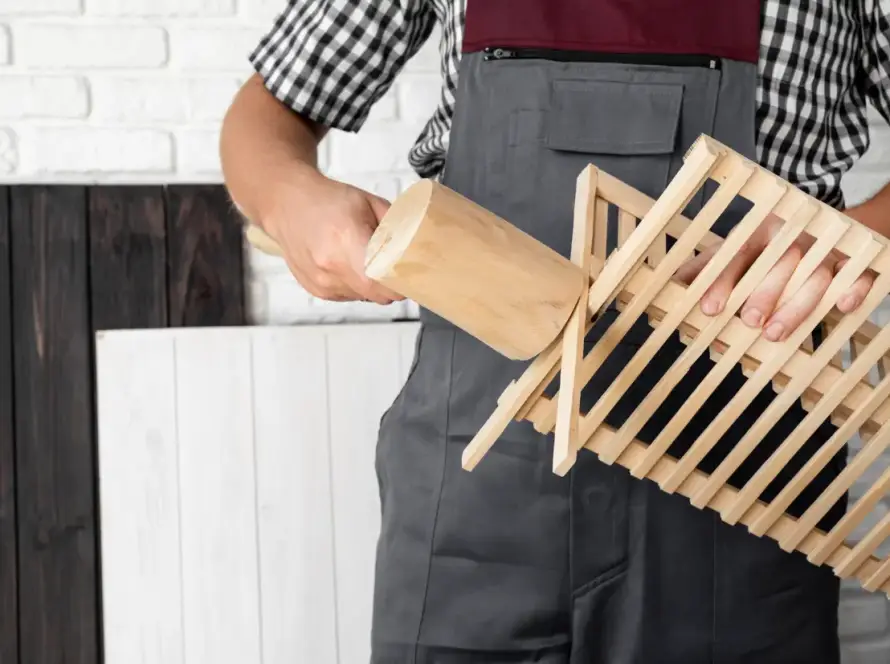
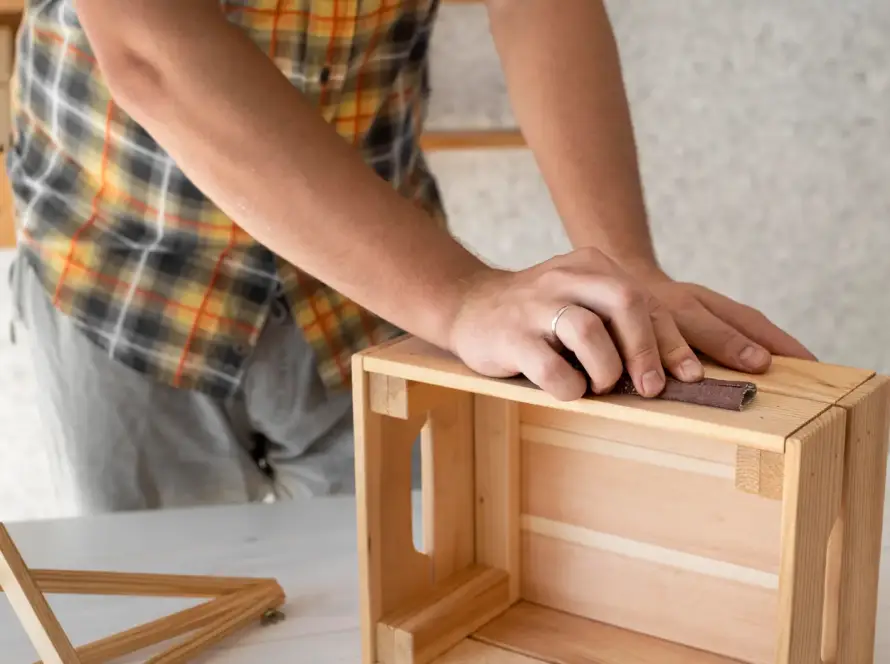
Have you, Milanians, ever had an unpleasant experience when bonding construction materials—such as joints that come apart easily? If so, it might be It wasn't because of an incorrect application technique, but rather because the wrong adhesive was chosen.
Construction materials such as wood, concrete, glass, pipes, and so on require different adhesives because their characteristics vary. Therefore, to ensure a perfect bond, Milanians need to understanding how to choose a strong adhesive for construction materials, It’s not just about following the crowd or FOMO.
This understanding helps Milanians match their adhesive products to the materials being used. The result is not only a strong bond, but also one that is durable over the long term.
Why Is Choosing the Right Adhesive So Important?
Not all adhesives are designed to withstand the same loads, pressures, or environmental conditions. In construction projects, The adhesive must be able to maintain its adhesive strength over the long term even when exposed to vibrations, temperature changes, humidity, or water.
In addition, using the right adhesive can help improve work efficiency because The installation process is faster compared to certain mechanical joining methods. The final result also looks neater, with fewer visible joints.
Understanding how to choose a strong adhesive also helps reduce the risk of construction failures caused by using adhesives that are incompatible with the characteristics of the materials.
Factors That Determine the Bond Strength of Adhesives
1. Composition or Ingredients Used
Composition is the primary factor that determines the quality of an adhesive. Epoxy, polyurethane, and specialty adhesives each have different characteristics depending on their intended application. The better the formulation of the active ingredients used, the higher the adhesive strength, load-bearing capacity, and service life.
2. Surface Conditions of the Material
A clean surface will result in much better adhesion. Dust, oil, rust, water, or paint residue can interfere with the bonding process between the adhesive and the material.
Before application, Make sure the surface has been cleaned and dried so that the adhesive can work effectively.
3. Environmental Factors
Temperature and humidity also affects the curing or drying process of the adhesive. Some types of adhesives require a specific temperature to reach their maximum strength. When used outdoors, choose an adhesive that is resistant to rain, sunlight, and extreme weather conditions.
4. Compatibility of Adhesives with Material Types
Each material has different surface characteristics. Concrete, metal, wood, ceramic, and stone requires a different type of adhesive. This is why choosing a strong adhesive isn’t just about the brand—it’s also about making sure the product is actually designed for the materials you’ll be bonding.
5. Techniques for Applying and Using Adhesives on Materials
Even high-quality adhesive won’t perform optimally if applied using the wrong technique. The thickness of the adhesive, the pressure applied during bonding, and the curing time must Follow the manufacturer's instructions for use.
See Also: Causes of HPL Laminate Bubbling After Installation
How to Choose a Strong Adhesive for Construction Materials
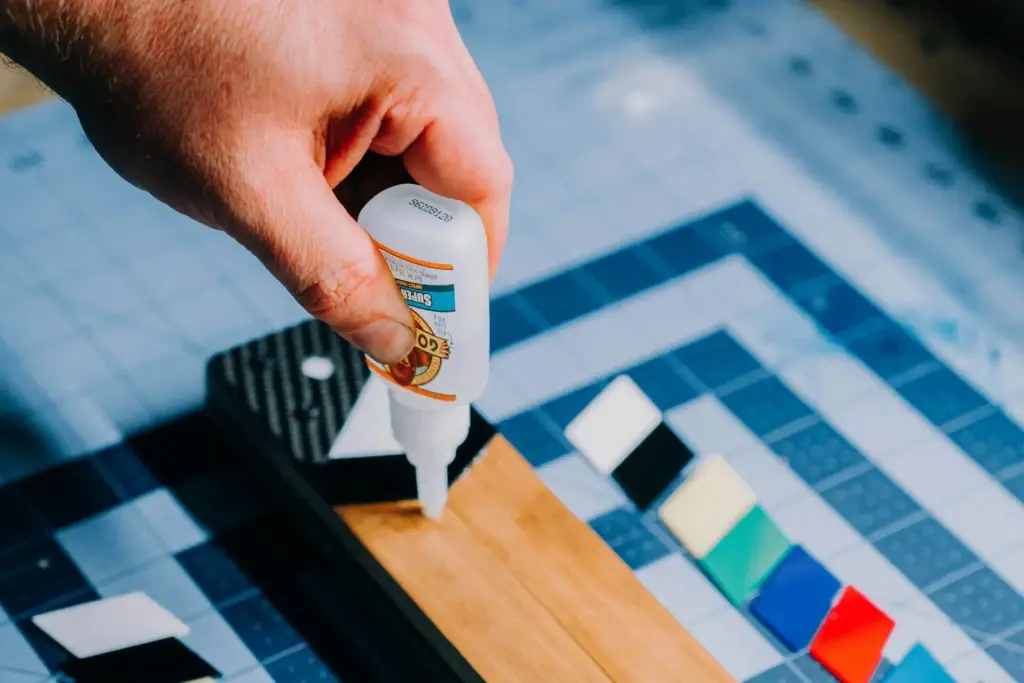
1. First, Understand the Materials You’ll Be Bonding
To choose a strong adhesive for construction materials, you need to know the type of materials you’ll be bonding. Are they concrete, metal, wood, natural stone, or a combination of several materials. The more carefully the adhesive is selected based on the material, the stronger the resulting bond will be.
2. Learn About the Types of Adhesives Used in the Construction Industry
In the construction industry, there are various types of adhesives available, such as epoxy adhesives, polyurethane adhesives, acrylic adhesives, and cement-based adhesives. For applications that require high bonding strength, epoxy adhesive It is one of the best options because it offers excellent mechanical strength and can bond various types of materials.
One recommendation worth considering is Milan Epoxy Adhesive which provides high adhesion to a variety of materials, such as wood, metal, glass, and even ceramics.
3. Check the Adhesive Strength Offered
Be sure to check out the information about bonding strength, resistance to pressure, impact, and working loads. Products with clear specifications have typically undergone testing, making their performance more reliable for construction projects.
4. Choose Products That Are Weather- and Moisture-Resistant
If the adhesive is to be used outdoors, resistance to water and weather changes is a key factor. Products that are resistant to moisture can maintain the strength of the bond for longer while reducing the risk of damage caused by changing environmental conditions.
Milan Epoxy Adhesive It is a solution worth considering because it offers high adhesion and is suitable for construction applications that require consistent performance.
5. Avoid Glues That Contain Hazardous Substances
In addition to considering strength, choose products made from high-quality materials that are safe to use in accordance with industry standards. Using high-quality products also helps creating a safer work environment while also delivering a more optimal final result.
6. Pay Attention to the Drying Time Offered
Every project has its own requirements different drying times. Some jobs require a fast curing process, while other projects require a longer working time to ensure more precise installation.
7. Choose Adhesives from Trusted and Professional Brands
Finally, how to choose a strong adhesive for construction materials: Established brands generally have better quality control processes and provide comprehensive technical product information.
For both construction and industrial needs, Milanians can rely on PT Indocipta Wisesa under the Milan brand. With over 30 years of experience in providing industrial adhesives, Milan’s products are guaranteed to be of high quality for all construction materials.
Mistakes to Avoid When Choosing Adhesive
It turns out that many people are still confused about how to choose a strong adhesive for construction materials, which can lead to serious mistakes in the final result of their work. Many people simply focusing on price without considering product specifications. Not all types of glue are suitable for use on various materials. Moreover, you might be tempted by low prices, but the quality isn’t very good.
Milanians probably often use the same type of adhesive for all materials. Each material has different characteristics, so it requires a different adhesive formulation. This is one mistake you should avoid if you want to ensure a high-quality bond.
In addition, neglecting the surface preparation process, failing to follow the instructions for use, or forcing the material into service before the curing process is complete can also significantly reduce the strength of the joint.
See Also: 8 Mistakes in Using Industrial Adhesives That Cause Joints to Come Apart Easily
What Is the Strongest Adhesive for Construction Materials?
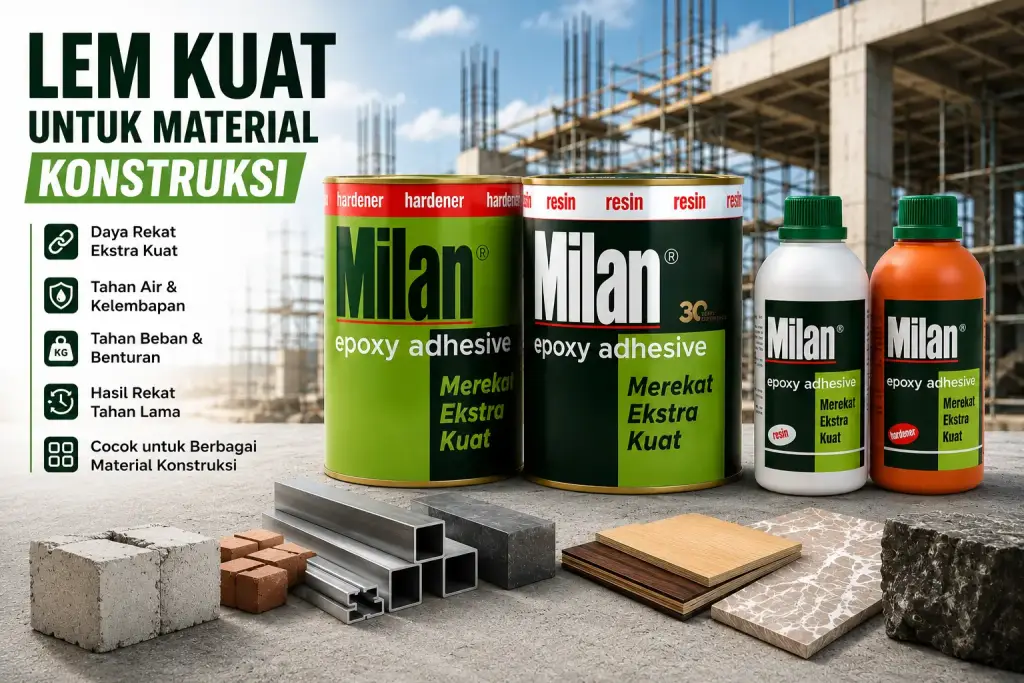
When it comes to construction applications that require high adhesion, epoxy adhesive is one of the most widely used types of adhesives. This glue is known for has excellent bonding strength, is resistant to pressure and impact, and can bond various types of materials such as metal, concrete, wood, stone, and other construction materials.
However, not all epoxy adhesives offer strong adhesion for all construction materials. Based on the guidelines above for selecting a strong adhesive for construction materials, the recommended products are Milan Epoxy Adhesive.
The advantages of Milan Epoxy Adhesive as a construction material adhesive include strong bonding strength, water resistance, compatibility with various types of materials, availability in natural colors, and resistance to solvents and chemicals.
Not only that, but Milan Epoxy Adhesive also creates durable bonds and supports a wide range of construction and industrial applications.
Guide to Using Milan Epoxy Adhesive for Construction Materials
1. Clean the Surface of the Material First
Make sure the surface of the material is free of dust, oil, water, and other contaminants so that Milan Epoxy Adhesive can provide maximum adhesion.
2. Mix the resin and hardener in a 1:1 ratio
Mix the epoxy resin and hardener in a 1:1 ratio, then stir until evenly blended and the mixture turns gray, indicating that the two components have mixed thoroughly.
3. Apply the Adhesive to the Surface of the Material
Apply Milan Epoxy Adhesive evenly to one or both surfaces of the materials to be bonded, as required for the application.
4. Align and Press the Material Firmly
Place the two surfaces of the material together, then press firmly so that the adhesive spreads evenly and forms an optimal bond.
5. Use Clips or Weights
Secure the material with clamps or weights during the drying process to keep the joints stable and ensure maximum adhesion.
6. Let It Dry Completely
Allow the joint to cure for about 4 hours until the Milan Epoxy Adhesive has fully cured before the material is used or loaded.
Achieve Strong, Long-Lasting Bonds on Construction Materials with Milan Epoxy Adhesive!
It’s no longer acceptable for Milanians to deal with loose joints that hinder their work. Now is the time to upgrade to high-quality construction adhesive from Milan Epoxy Adhesive!
Milan Epoxy Adhesive Designed to help create strong, durable joints that can withstand a variety of construction needs. The more appropriate the adhesive used, the lower the risk of joint failure down the line.
Don’t let your Milanians construction project end up in disarray just because of the wrong adhesive. Consult with the Milan Indonesia team of experts about your Milanians construction project needs to ensure a high-quality end result and higher resale value. Simply Click the banner below, get in touch with us right away!