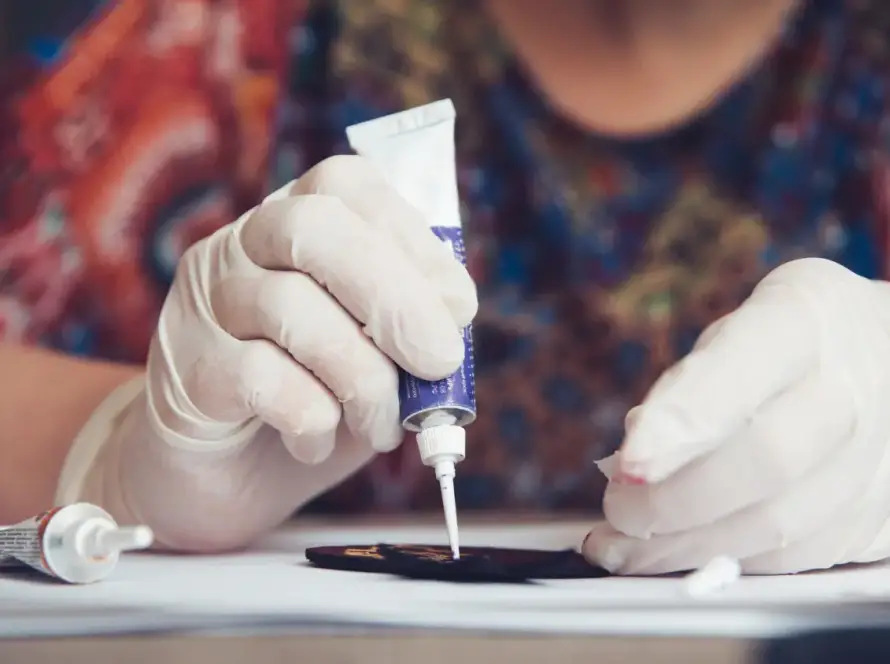
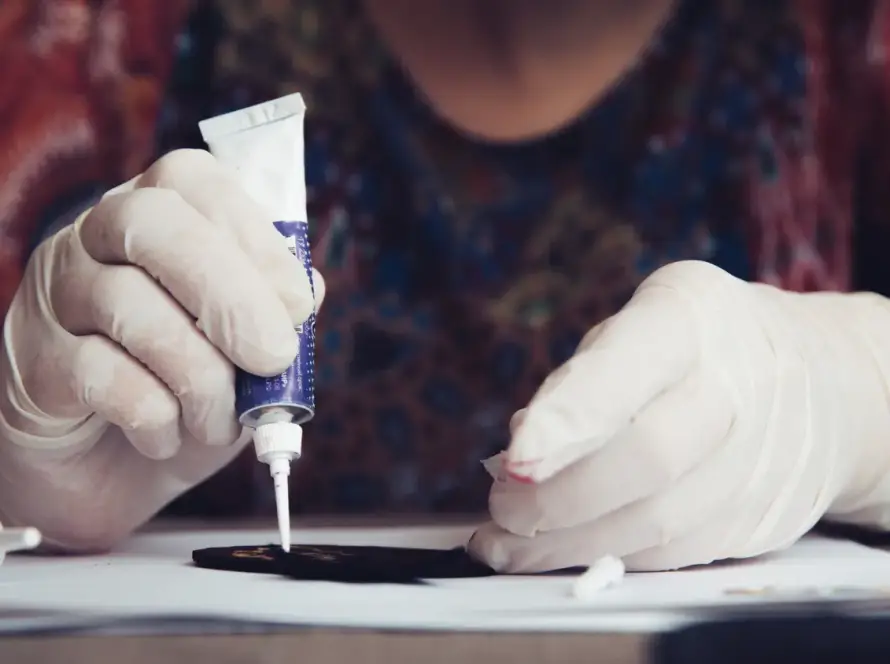
In various processes—from manufacturing and construction to furniture making—the use of Adhesives play a very important role to create a strong and durable joint. Unfortunately, there are still Common Mistakes in Using Industrial Adhesives This happens frequently, causing the connection to come loose, crack, or even fail to function from the start.
In fact, these issues aren’t always caused solely by the quality of the adhesive. The application method, the condition of the materials, and even the choice of adhesive type all play a significant role in determining the final result. Therefore, Milanians need to understand the various factors that affect adhesive strength so that industrial projects can run more efficiently and with minimal risk of failure.
Why Do Glued Joints Come Apart Easily?
Adhesive bonds work by forming a bond between the material’s surface and the adhesive layer. To ensure the bond is as strong as possible, The surface must be clean, the material must be suitable, and the adhesive must be compatible with the characteristics of the materials being bonded.
When one of these factors is not met, Adhesion will decrease significantly. As a result, the joints can easily shift, crack, peel, or come apart when subjected to loads, vibrations, heat, or moisture.
In addition, each material has different properties. Wood, metal, concrete, ceramic, HPL, vinyl, and even plastic each require different adhesive properties. This is why mistakes in using industrial adhesives often result in wasted production costs because the installation process must be repeated.
Mistakes to Avoid When Using Industrial Adhesives
1. The Surface of the Material Used Is Still Dirty
Dust, oil, rust, paint residue, and moisture can act as barriers between the adhesive and the material’s surface. As a result, the adhesive cannot bond properly, reducing the strength of the bond. Before application, Always clean the surface with a clean cloth or cleaning solution that is appropriate to ensure maximum adhesion.
2. The Type of Adhesive Is Not Suitable for the Material
One of the most common mistakes when using industrial adhesives is using a single type of adhesive for all materials. In fact, wood adhesives aren’t necessarily suitable for metal, just as concrete adhesives aren’t necessarily effective for vinyl or HPL. Choosing an adhesive that matches the material's characteristics will result in a much stronger and more durable bond.
3. Application Does Not Follow Technical Guidelines
Every adhesive has specific usage requirements, such as film thickness, open time, mixing method, and application temperature. Ignoring these instructions may cause the adhesive to fail to dry or not reach its maximum strength. Therefore, always follow the technical specifications provided by the manufacturer.
4. The Pressure Applied Is Still Insufficient
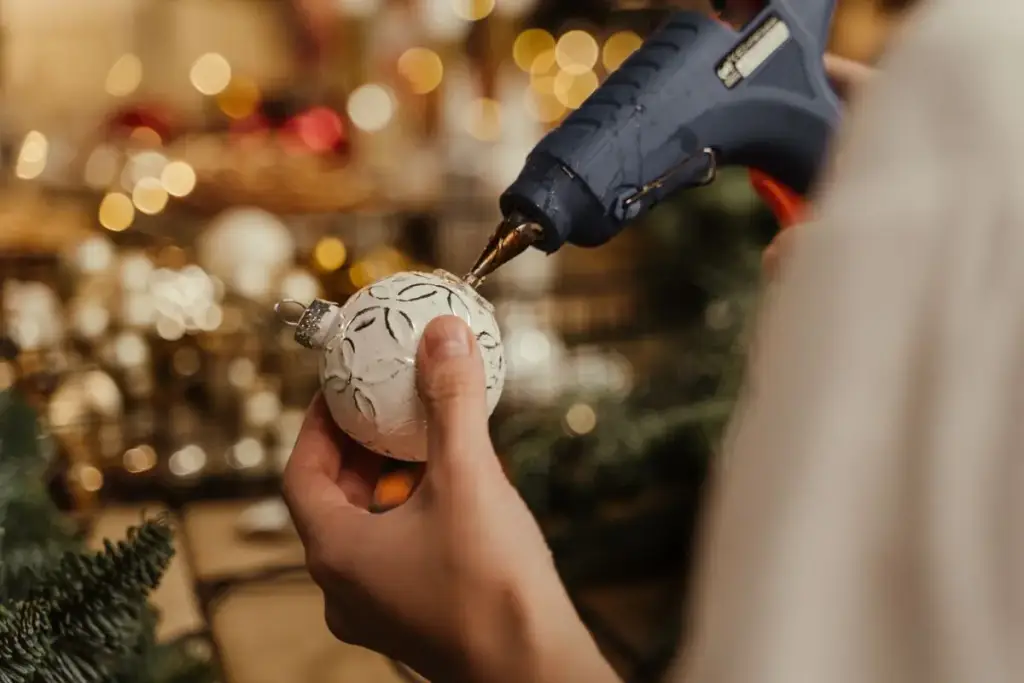
Many people think it’s enough to simply apply the adhesive without applying pressure to the material. In fact, pressure helps the adhesive spread evenly while also removing the air gap between two surfaces. The more even the contact between the surfaces, the better the bond.
5. The Material Is Still Too Wet—or Even Damaged
Materials with high moisture content, or that have brittle, cracked, or weathered surfaces, will reduce the adhesive’s ability to form a stable bond. For example, in wood, Excessive moisture content can cause the joints to come apart easily After some time.
6. The Glue Used Has Expired
After exceeding the storage limit, kThe chemical composition inside may change, causing the adhesive strength to decrease. Using expired adhesive carries the risk of causing the bond to come loose quickly, even if it was applied correctly.
7. Insufficient Glue Drying Time
Many projects are driven by tight deadlines, so materials are used immediately before the adhesive has completely dried. This situation The bond has not yet reached its optimal strength. Allow the adhesive to cure for the recommended amount of time so that it can form a strong, durable bond.
8. Poor Adhesive Quality
Low-quality adhesives generally has inconsistent adhesion, prone to cracking, not water-resistant, or unable to withstand temperature changes. In the long run, these conditions increase repair costs because the joints must be replaced repeatedly.
See Also: 7 Factors That Prevent Adhesive from Bonding Effectively to Materials
Why Is Choosing a High-Quality Adhesive So Important for Industrial Projects?
Choosing a high-quality adhesive not only affects the strength of the bond, but also determining the overall efficiency of the production process. A good adhesive is capable of producing consistent bonds under a variety of working conditions, thereby minimizing the risk of production failures.
In addition, high-quality adhesives typically offer better resistance to water, heat, humidity, vibration, chemicals, and weather changes. This results in a longer service life for the final product.
In industries ranging from furniture and construction to manufacturing and interior design, the use of high-quality adhesives also helps improve the quality of finished products, reduce material waste, and minimize future maintenance costs. That is why avoiding mistakes when using industrial adhesives starts with choosing the right product.
How to Choose the Right Adhesive Based on Material Type and Application
1. First, Understand the Materials Milanians Use
Determine whether the materials to be bonded are wood, concrete, metal, HPL, ceramic, vinyl, plastic, or a combination of several materials. Each type of material has different surface characteristics and absorption rates so it requires a different type of adhesive as well.
2. Tailor It to the Application's Needs
Consider whether the adhesive will be used for interior or exterior applications, in damp areas, in areas frequently exposed to heat, or in areas subject to heavy loads. The application requirements will determine the adhesive specifications the most suitable one so that the joint will last longer.
3. Choose a Type of Glue with Strong Adhesive Strength
Choose an adhesive that is specifically designed for for industrial use and has high adhesive strength depending on the materials used. High-performance adhesives typically also offer resistance to pressure, impact, and changes in environmental conditions.
4. Be Sure to Choose a High-Quality Adhesive
Use products from manufacturers with extensive experience and clear quality standards. High-quality adhesives offer more consistent performance, an easier application process, and a more durable finish compared to products without clear specifications.
5. Consider the Environmental Conditions in Which the Adhesive Will Be Used
The work environment greatly affects the adhesive's performance. If the joint will be used outdoors, in a damp area, or in an environment with direct sunlight, Choose an adhesive that is resistant to water, extreme temperatures, and weather conditions so that it won’t deteriorate easily.
See Also: Find the Right Eco-Friendly Wood Adhesive Solution for Your Industrial Needs
Recommendations for High-Quality Industrial Adhesives for Various Materials
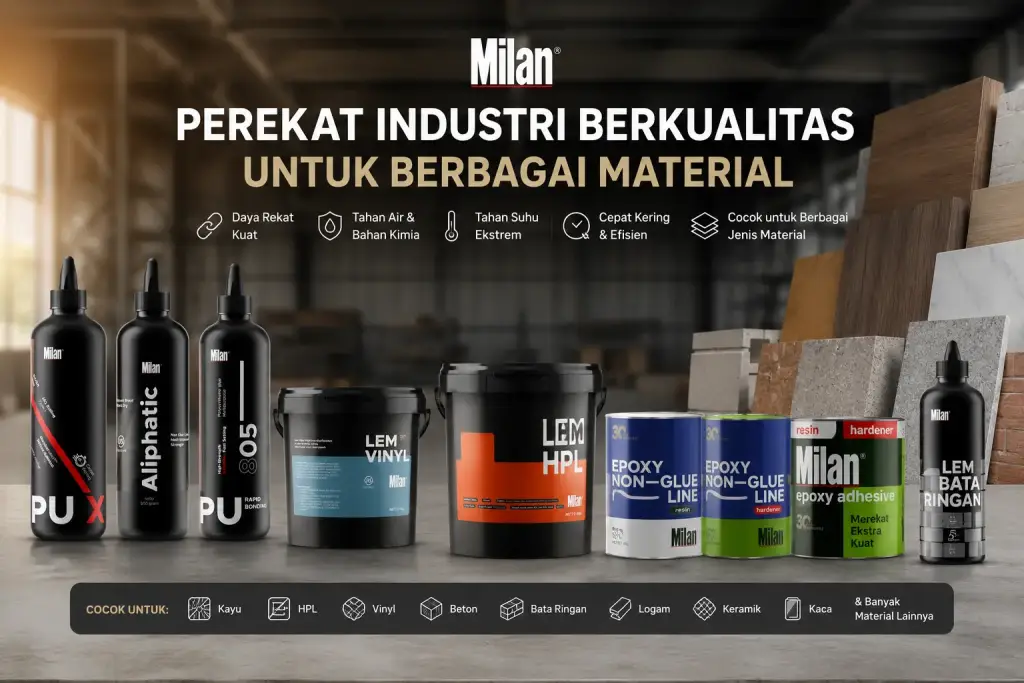
1. Milan Epoxy Glue
Milan Epoxy Glue is a two-component adhesive capable of producing extremely strong bonds on a variety of materials, such as metal, wood, concrete, and other engineering materials. This product is suitable for industrial applications that require joints with high resistance to loads and chemicals.
2. Milan PU X Glue
As one of the best polyurethane adhesives, Milan PU X Specially formulated to bond wood with a moisture content above 12%. This adhesive offers high bonding strength, fills small gaps, and creates strong joints for the wood processing industry.
3. Milan PU 805
Milan PU 805 This is a one-component polyurethane adhesive that dries quickly—in just 2–5 minutes—and is designed for use on various types of substrates, such as wood, PVC panels, and so on. Its advantages include strong adhesion, water resistance, and suitability for a wide range of woodworking applications, both interior and exterior.
4. Milan Epoxy No-Glue Line
If Milanians often notice black lines appearing on wood after it has been glued, then Milan Epoxy Non-Glue Line will solve this problem. This adhesive is specifically designed to create wood joints without visible glue lines. It is ideal for use in the furniture industry, for finger joints, and for high-quality wood components where a clean, polished finish is essential.
5. Milan Lightweight Brick Adhesive
Milan Lightweight Brick Adhesive Specially formulated for installing lightweight bricks or Hebel blocks. This adhesive provides strong bonding, is easier to apply than conventional mortar, and helps create more precise walls.
6. Milan HPL Glue
For installing High-Pressure Laminate (HPL), Milan HPL Glue Provides optimal adhesion to HPL, MDF, plywood, particle board, and various other wood panels. This adhesive helps produce a neat and durable finish.
7. Milan PU 845
Milan PU 845 This is a one-component polyurethane adhesive capable of bonding a variety of materials, including wood, glass, aluminum, and even concrete. The product is also resistant to water and various types of solvents, making it suitable for industrial applications that require high durability.
8. Milan Vinyl Adhesive
Milan Vinyl Laminate Formulated for installing vinyl flooring on various types of surfaces. This adhesive offers strong bonding power, is easy to apply, and helps keep the flooring stable over the long term.
9. Milan Aliphatic Wood Glue
Aliphatic Wood Glue, Milan It is ideal for use in woodworking, furniture manufacturing, and woodcraft. This adhesive offers high bonding strength, a fast drying time, and produces strong, clean wood joints, making it suitable for a wide range of production needs.
Use High-Quality Industrial Adhesives for Stronger, Longer-Lasting Bonds—Milan Adhesive Is the Solution!
Don't let Mistakes in Using Industrial Adhesives hinder the production process or compromise the quality of the finished product. Choosing the right adhesive not only creates stronger bonds but also helps improve work efficiency, reduce repair costs, and produce more durable products.
Still not sure which type of adhesive is best for you? The Milan Team is ready to help Milanians find the best adhesive solutions for a wide range of industrial applications involving various materials, including wood, HPL, vinyl, lightweight brick, metal, and more.
Click the banner below to schedule a consultation with the Milan Indonesia team of experts and Get product recommendations tailored to your project's needs!