Choosing the right adhesive for industrial applications is important, but the application process should not be overlooked. HPL adhesive is one such product that is often chosen because of its strong adhesive strength for a variety of purposes, from furniture to interior decor. Unfortunately, many people still experience HPL panels bubbling after installation, which weakens the bond or even causes the panels to come loose.
As a result, can reduce the aesthetic value and shorten the lifespan of the furniture. The reason HPL panels bubble after installation is not only due to the quality of the material, but also because they are sometimes installed in a manner that does not follow the technical instructions.
If Milanians frequently encounter this issue, understanding why HPL laminate bubbles after installation is the right strategy to prevent the same problem from recurring in the future. Simply by avoiding this one small mistake, you can achieve optimal results and increase the resale value of your furniture.
What Is the Purpose of HPL Adhesive?
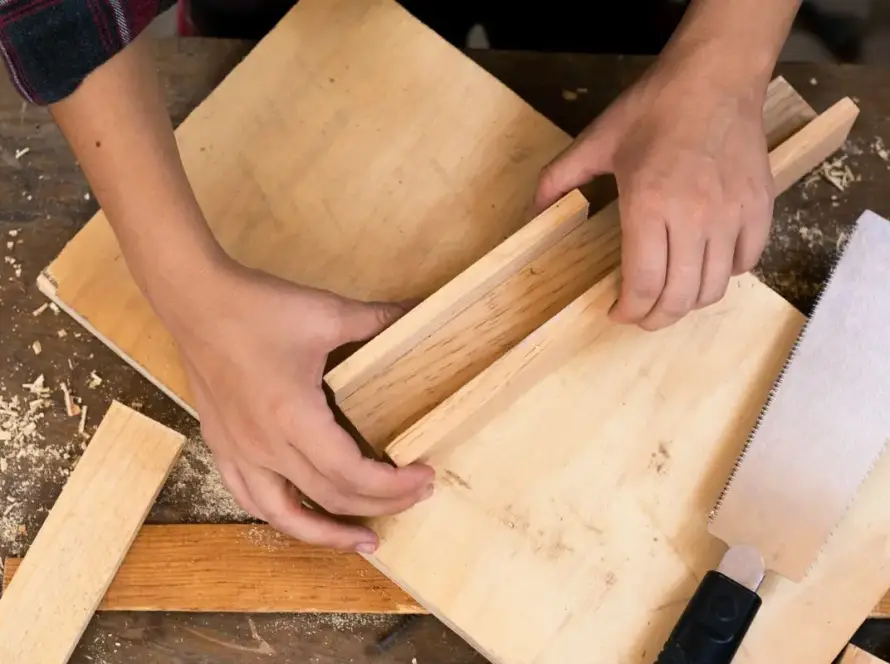
HPL adhesive serves as the primary adhesive that bonds High Pressure Laminate sheets to substrate materials such as MDF, particle board, plywood, multiplex, and solid wood. This adhesive must be able to create a strong bond so that the HPL layer does not shift, peel up, or bubble during use.
In addition to providing high adhesion, lHPL also helps maintain the stability of the layer when there are changes in temperature or humidity. A high-quality adhesive distributes pressure evenly so that the entire HPL surface adheres perfectly without leaving air pockets that could cause bubbles to form later on.
See Also: Understanding HPL Adhesive: A Strong Bonding Solution for Premium Interior Furniture
Causes of HPL Laminate Bubbling After Installation
1. Incorrect Application, Too Little Adhesive, or Uneven Application
One of the most common causes of HPL laminate bubbling after installation is improper application of adhesive. If the adhesive is applied too thinly or unevenly, some parts of the surface will not have a strong enough bond.
As a result, there is an air gap between the HPL and the base material. Over time, That cavity will develop into a bubble that becomes increasingly visible, especially when the furniture is used frequently or is exposed to temperature changes.
2. Insufficient Pressure During Adhesive Application
Uneven pressure causes Some areas aren't sticking as much as possible so that there are still air pockets beneath the HPL layer.
Ideally, The entire surface is pressed using a roller or a press so that the adhesive spreads evenly and creates a consistent bond on every part.
3. The growing medium is sufficiently moist
Substrates that still contain high levels of moisture can also cause the HPL layer to bubble after installation. Moisture from the wood or boards will slowly evaporate and push the HPL layer away from the bottom.
In addition to causing bubbles, this condition can also reduce the adhesive strength of the glue, making it easier for the layer to peel off.
4. Poor-Quality Adhesive That Does Not Meet Standards
Not all adhesives are specifically formulated for HPL installation. Using low-quality adhesives often results in weak adhesion, so layers can easily shift or lift.
Therefore, Milanians need to choose HPL adhesive that meets quality standards—an important step to ensure that the installation is more durable and long-lasting.
5. Dirty and Dusty Wood Surfaces
Dust, oil, sawdust residue, and other contaminants can interfere with direct contact between the adhesive and the substrate. As a result, Adhesion is not optimal and some parts are more prone to bubbling.
Cleaning the surface before application is a simple step that is often overlooked, even though it has a significant impact on the quality of the final result.
6. Exposure to Extreme Temperatures
Furniture that is directly exposed to excessive heat or drastic temperature changes is at risk of experiences material expansion and contraction. If the adhesive strength is not optimal, this can cause the HPL layer to bubble after installation.
Therefore, both the installation and storage processes should be carried out under stable temperature conditions to ensure the adhesive performs optimally.
Signs of Suboptimal HPL Installation
1. Bubbles Appearing on the Surface
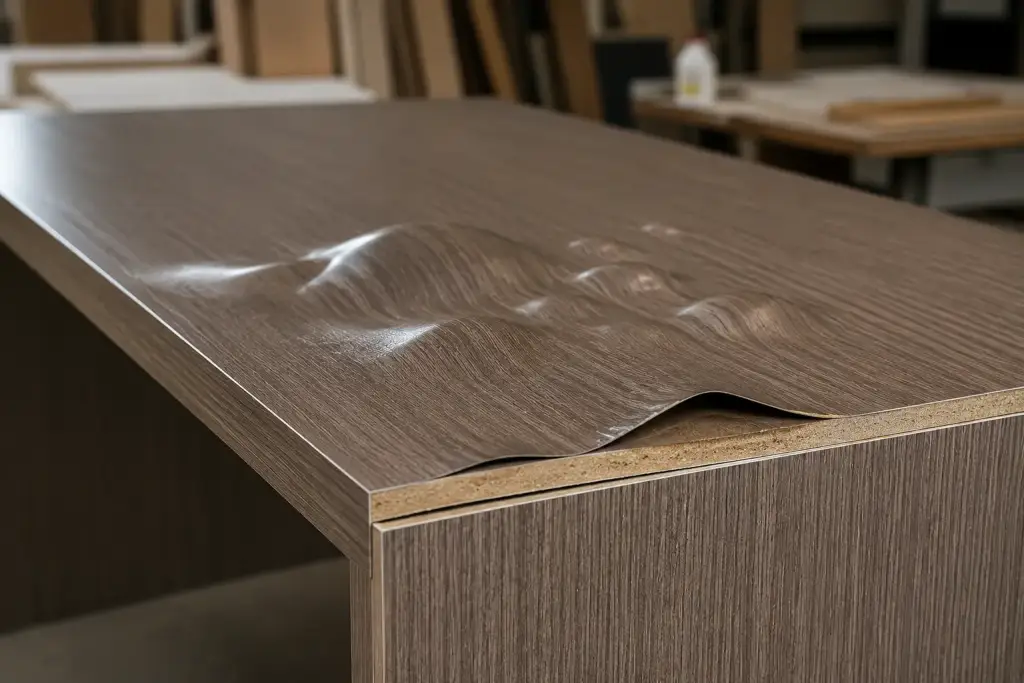
The most easily recognizable sign is the appearance of small or large bubbles on the surface of the HPL. Bubbles usually feel soft when pressed because there is an air pocket beneath the layer. If not addressed immediately, the bubble may continue to expand and weaken the adhesive bond.
2. Uneven Seams and Glue Leaking Out
Improper installation often results in imprecise joints between HPL sheets. In addition, adhesive may seep out from the sides of the joint due to excessive application or improper installation techniques.
3. Color Changes in Specific Areas
Some parts of HPL can has changed color due to moisture that are trapped beneath the surface or the use of an unsuitable adhesive. If stains or discoloration appear after installation, it’s best to have the area inspected immediately before the damage spreads further.
4. The Glue Doesn’t Stick and Comes Off Easily
HPL layers that peel off easily at the corners or edges indicate that the adhesive bond has not fully formed. This is usually caused by adhesive quality, contaminated substrates, or an inadequate pressing process. The sooner it is repaired, the lower the risk of the damage spreading across the entire surface.
See Also: The Benefits of Wood Laminating Adhesives in Improving the Quality of Furniture Products
How to Prevent HPL Laminate from Bubbling After Installation
1. Make sure the base material is dry, clean, and level
Before installation begins, Make sure the media is free of dust, oil, and excess moisture. A flat surface also helps the adhesive spread evenly so that no air pockets remain.
2. Apply the Adhesive Evenly According to the Technical Instructions
Use the appropriate application tool to ensure that the entire surface is coated with a layer of adhesive of consistent thickness. Avoid areas that are too thin or too thick because both can affect the quality of the bond.
3. Apply the Correct Adhesive Evenly Across the Entire Surface
After the two surfaces have been glued together, do the following Press using a roller or press tool, starting from the center and working toward the outer edges. This method helps remove any trapped air while improving contact between the adhesive and the substrate.
4. Avoid Installation in Extreme Temperatures
Try to ensure that the installation is performed under stable environmental conditions. Temperatures that are too hot or too cold can affects the glue drying process resulting in suboptimal adhesion.
5. Use HPL Adhesive That Meets Standards
Choosing the right adhesive is one of the most important factors in preventing HPL panels from bubbling after installation. Using an adhesive that is specifically formulated for HPL applications will provides stronger adhesion and a neater finish.
One recommendation that can be used is Milan HPL Glue, designed for HPL lamination on various types of wood. This product offers high adhesion, is easy to apply, and can be used on one side without having to wait for the flash-off process, making the job more convenient and efficient.
The Benefits of Using Milan HPL Adhesive for Various Industrial Needs
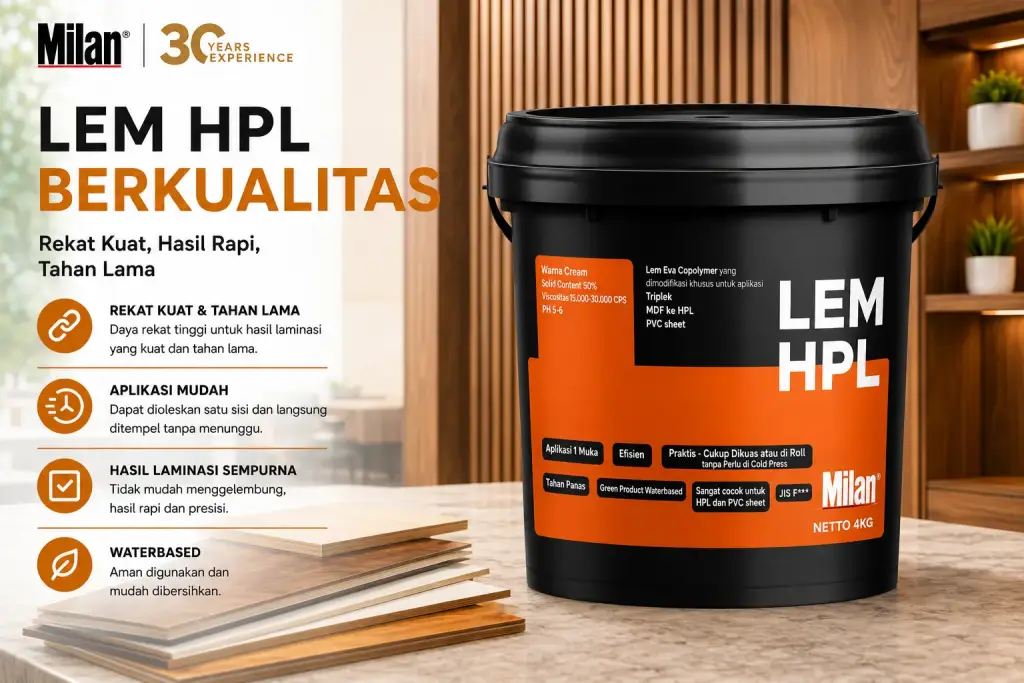
1. Apply Directly with Strong Adhesion
Milan HPL Adhesive can be applied to one side of the material and applied immediately without waiting flash off. Its strong adhesive properties help reduce the risk of the HPL peeling up or bubbling.
2. No Odor
The formula does not emit a strong odor, making the installation process more comfortable, especially when used in production areas or interior spaces.
3. Safe and Environmentally Friendly
Using a water-based formulation (water-based) that are safer to use and help create a healthier work environment compared to solvent-based adhesives.
4. Quick-Drying
The drying process is fast, making the work more efficient and helping to speed up both production and installation.
5. Heat and Moisture Resistant
It maintains consistent adhesion when exposed to heat and humidity, making the HPL layer more durable and less likely to peel off.
Jangan Biarkan Lapisan HPL Mudah Menggelembung, Beralih ke Milan Lem HPL Sekarang!
Masalah seperti HPL menggelembung, mudah terlepas, atau hasil laminasi yang kurang rapi dapat dicegah dengan teknik pemasangan yang benar dan penggunaan perekat berkualitas.
Milan HPL Glue hadir sebagai solusi perekat terbaik untuk berbagai kebutuhan industri dengan daya rekat kuat, cepat kering, dan tidak berbau.
Ingin mengetahui spesifikasi lengkap, cara penggunaan, dan keunggulan Milan Lem HPL? Hubungi tim ahli Milan, Indonesia with Click the banner below dan temukan solusi perekat HPL yang tepat untuk menghasilkan laminasi yang lebih kuat, rapi, dan tahan lama.