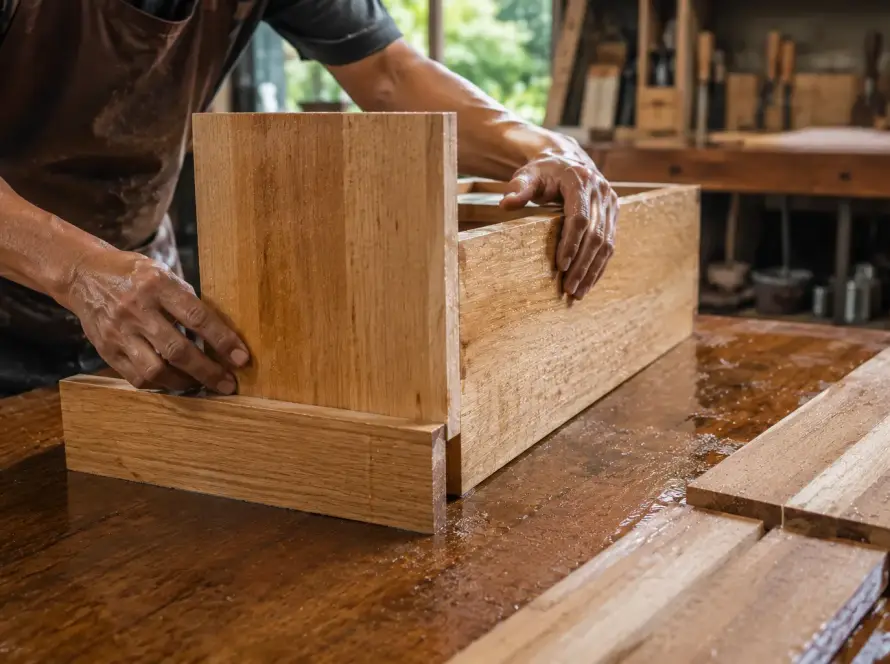
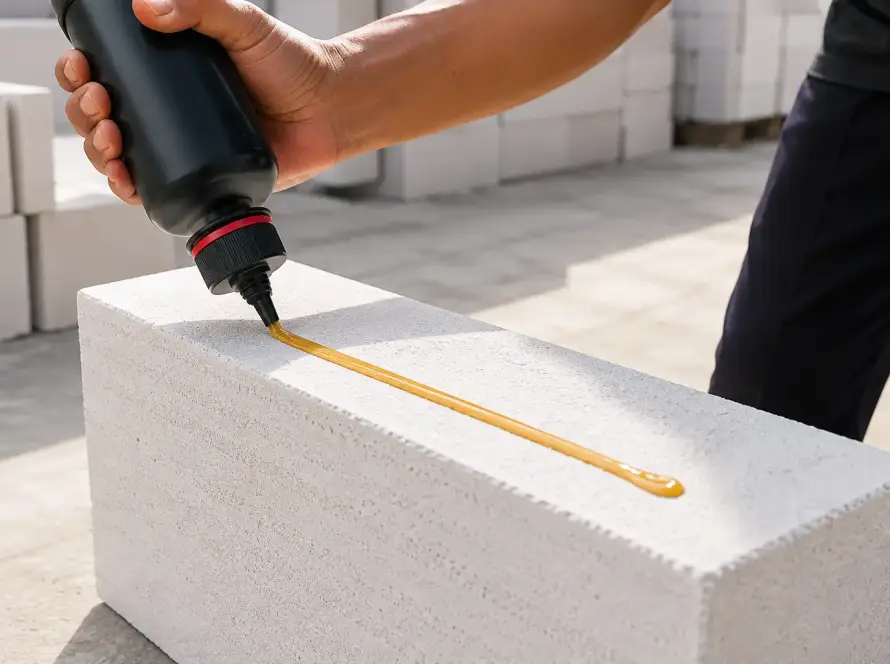
Have you ever had a wood joint that looked clean during the gluing process, but after the glue dried, a black line appeared between the two pieces of wood?
If this has happened to you, don’t be too quick to assume the glue is defective. There are various reasons why wood glue might turn black after it dries.
Commonly referred to as glue line which results in a less-than-neat finish. It’s no wonder, then, that understanding why wood glue turns black after drying is the first step for Milanians who work as professional woodworkers.
What Is a Glue Line?
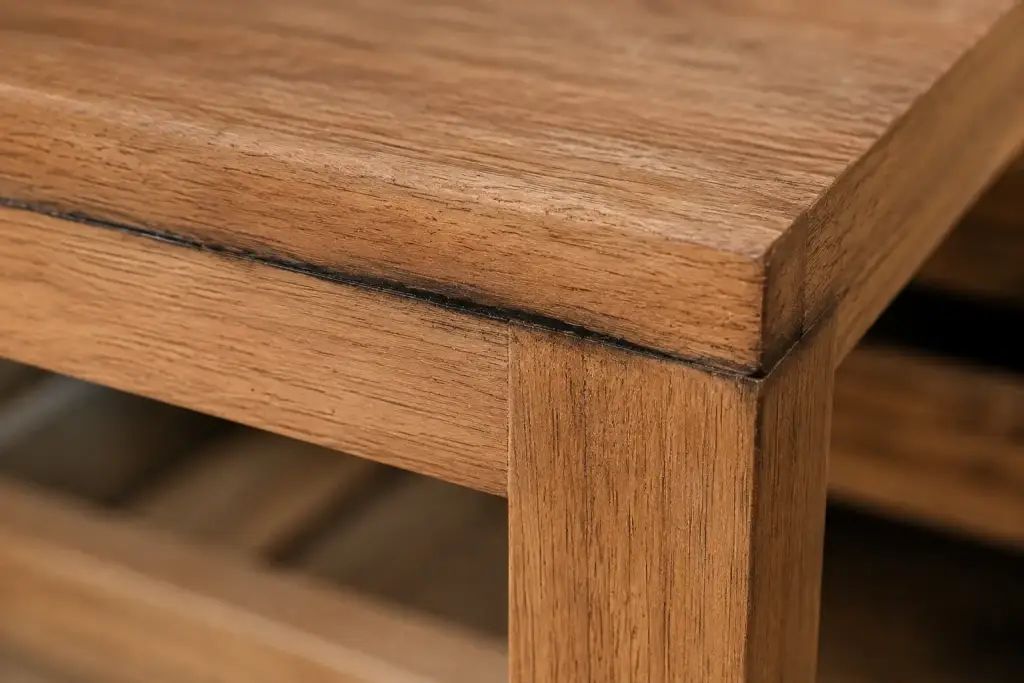
A glue line is a black line or visible area at the joint between two wooden surfaces after the gluing process.
Normally, a properly executed joint should have a thin, even line of adhesive that does not detract from the appearance of the wood.
However, under certain conditions, the glue line may become more visible, change color, or even turn black after the glue dries.
Glue lines are usually more noticeable on furniture or wood products that have a transparent finish, such as clear coat, melamine, lacquer, or polyurethane. If the color of the glue differs significantly from the color of the wood, the glue line will stand out even more.
Why Does Wood Glue Look Clean When It's Wet but Turn Black After It Dries?
While it is still wet, the adhesive has not yet undergone the full drying or curing process. A layer of adhesive that is still wet may also appear more transparent, so the color of the wood surface beneath it remains dominant.
Once dry, the structure and color of the adhesive layer change. Curing reactions, oxidation, resin content, and interactions with other materials can cause the glue line to darken.
Under certain conditions, these changes can be exacerbated by moisture, surface contamination, or contact with metals.
Therefore, the fact that wood glue turns black after drying does not necessarily mean that the glue was black to begin with. It’s possible that the color change only becomes visible after the glue has completely dried or after the finishing process has been completed.
Why Wood Glue Turns Black After It Dries
1. The Wood Is Still Too Wet or Damp
The moisture content of wood has a significant effect on the bonding process. Wood that is too wet can interfere with the penetration and curing of certain adhesives.
Differences in moisture content between two pieces of wood can also cause the joint to change in dimensions after the gluing process.
If this happens, the glue line may become unstable and more visible. Before applying the adhesive, make sure the wood’s moisture content meets the recommendations for the type of adhesive you’re using.
2. Exposure to Contaminants: Dust, Dirt, and Oil
The wood surface must be completely clean before applying glue. Sanding dust, dirt, oils from your hands, wax, or any remaining finish can interfere with direct contact between the glue and the wood.
Such contamination can also cause the color of the joint line to change after the drying process. In furniture work, cleaning the surface before applying glue is a simple step that often determines the final result.
3. Direct Contact with Iron or Metal
Some types of wood contain extractive compounds that can react with iron or certain metal ions. These reactions can cause dark to black stains to appear on the surface of the wood.
This problem can occur when tools, clamps, blades, or metal components come into direct contact with damp wood.
So, the discoloration that looks like wood glue turning black after it dries may actually be caused by a reaction in the wood at the joint.
4. The Type of Glue Used Is Inappropriate
Not all adhesives are suitable for all types of wood and joint applications. When selecting an adhesive, you need to consider the type of wood, moisture content, intended use, environmental conditions, and type of finish.
The wrong type of adhesive can result in a bond with a more visible glue line or less consistent performance.
For professional results, don’t just choose an adhesive based on its bonding strength; also consider the characteristics of the adhesive bead after curing.
5. The Glue Layer Is Too Thick
Applying too much adhesive does not automatically make the bond stronger. Excess adhesive can actually result in a thicker glue line that is more noticeable once it dries.
In addition to visual issues, an improper layer thickness can also affect the curing process and the stability of the bond. Use the amount of adhesive recommended in the product instructions and appropriate for the surface being bonded.
6. Uneven Pressing Pressure
Pressing ensures that the two wood surfaces are held firmly together during the curing process. If the pressure is uneven, some areas of the joint may have a thicker layer of adhesive than others.
As a result, the glue line appears inconsistent. On furniture with wide surfaces, this issue becomes even more noticeable after sanding and finishing.
7. Incompatible Ingredients
With two-component adhesives, the ratio of resin to hardener must follow the manufacturer’s specified formulation. Incorrect measurements can prevent the curing process from proceeding as intended.
An improper mixture can also affect the color and strength of the bond. Therefore, don’t assume that adding more hardener will make the adhesive set faster or be stronger.
8. Shrinkage in Wood
Wood is a material that constantly responds to changes in environmental humidity. When the moisture content changes, wood can shrink or expand.
This movement can put stress on the joints and make the glue lines more visible. If two pieces of wood have different moisture contents, the risk of the joints warping may also increase.
9. Incorrect Pressing Time
Each adhesive has different pressing and curing time requirements. Opening the press too soon can prevent the joint from reaching a sufficiently stable state.
Conversely, environmental conditions such as temperature and humidity can also affect drying time. Follow the manufacturer’s recommended pressing time to ensure the joint has enough time to form a bond.
10. The Glue Begins to Dry Before Sufficient Pressure Is Applied
Adhesive application requires the appropriate processing time. If the adhesive begins to form a film before sufficient pressure is applied to both surfaces, effective contact between the two surfaces may be reduced.
This can happen when the application process is too slow, the work area is too large, or the adhesive’s open time is not taken into account. As a result, the glue line may become thicker and less uniform.
See Also: Is Epoxy Glue Suitable for Wood? Here Are Its Pros and Cons
The Effect of the Glue Line on the Appearance of Furniture and Wood Products
On wood products with a natural or transparent finish, the glue line is very noticeable. A black or dark line at the joint can disrupt the grain pattern and make the surface appear less cohesive.
For premium furniture, doors, panels, tabletops, and decorative products, small details such as glue lines can affect the perception of craftsmanship. A strong joint with a noticeable glue line may still be considered visually unappealing.
How Important Is the Color of the Glue for the Wood Finish?
The color of the glue is very important, especially if the wood joint will be given a clear finish. The greater the contrast between the glue and the wood, the more noticeable the glue line will be.
On light-colored wood, dark adhesive lines will stand out very clearly. This is why Milanians need to consider the adhesive’s color characteristics from the very beginning, rather than after the finishing process is complete.
What Should You Do If Your Wood Glue Has Already Turned Black?
Don’t immediately cover the glue line with a new finish. First, identify the cause of the discoloration and check whether the stain is only on the surface or has penetrated the joint area.
If the problem is only on the surface, sanding may be the solution. However, if the black discoloration is caused by a reaction in the wood or if the adhesive has failed at the joints, the repair must go deeper so that the issue does not reappear after finishing.
How to Fix a Blackened Glue Line on Wood
1. Find Out What Causes Glue Lines to Form
Check the wood’s moisture content, surface cleanliness, type of adhesive, adhesive thickness, pressing process, and any potential contact with metal. Identifying the cause is important to prevent the same problem from recurring in future projects.
2. Sand the Glue Line Area
If the glue line is only on the surface, sand it gradually using the appropriate grit of sandpaper. Do not start with sandpaper that is too coarse, as this can damage the wood grain and make the repaired area look different after finishing.
3. If the black is still visible, scrape deeper.
If sanding has not removed the dark color, the stain may have penetrated deeper into the wood’s surface. Perform controlled scraping to remove the contaminated area without removing too much material.
4. If It Remains Black, Consider Using Wood Bleach
For stains caused by chemical reactions in wood, wood bleach can be considered as one repair method. Its use must be tailored to the type of wood and the product instructions, as wood bleach can affect the wood’s natural color and the surface’s readiness for finishing.
5. For Very Severe Glue Lines, Consider Reworking the Joint
If the glue line is too deep, the joint is not precise, or discoloration is accompanied by issues with bond strength, simply repairing the surface may not be enough. In such cases, the joint should be redone.
Re-joint the pieces so that both surfaces are precise again before the next gluing process. Once the surfaces are smooth and clean again, Milanians can use Milan Non-Glue Line Epoxy Adhesive to create wood joints with glue lines that blend in more visually.
Milan Non-Glue Line Epoxy Adhesive Designed as a two-component epoxy adhesive for wood joints. Ensure that the surfaces to be bonded are clean, dry, and have good contact before application. The resin and hardener must be mixed in the specified ratio to ensure optimal curing.
See Also: 7 Ways to Use Epoxy Adhesive Correctly for Optimal Bonding Results
The Benefits of Using Milan Non-Glue-Line Epoxy Adhesive for Wood Joints
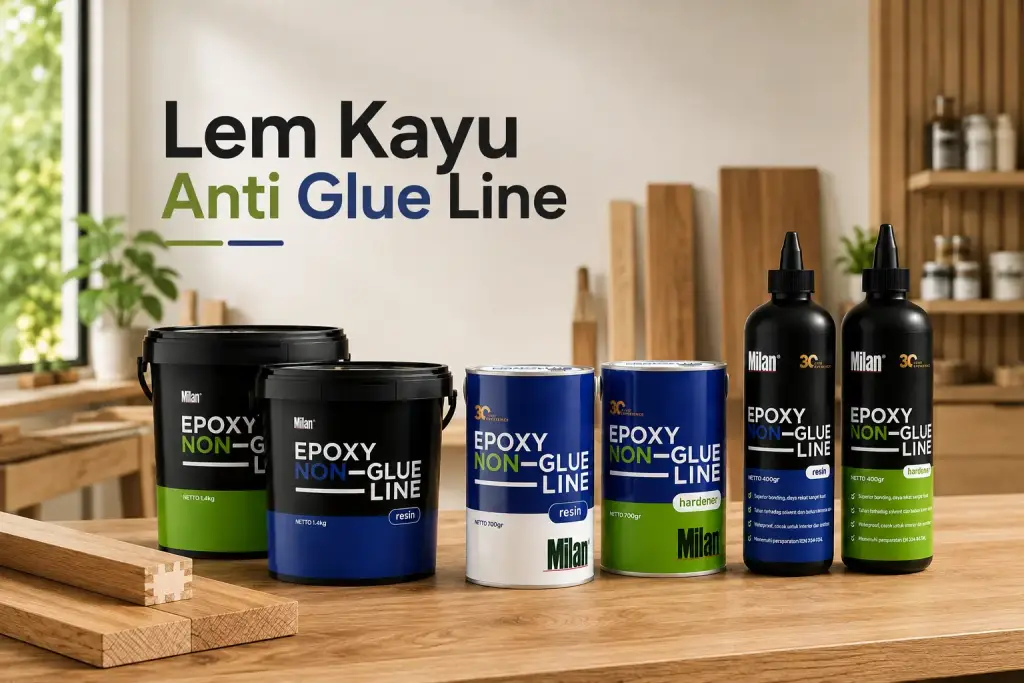
Milan Non-Glue Line Epoxy Adhesive is a two-component epoxy adhesive developed to help create wood joints with a barely visible glue line. This feature is particularly useful for Milanians who prioritize both joint strength and the visual quality of their furniture or wood products.
Some of the advantages of Milan Non-Glue Line Epoxy Adhesive include:
- No Glue Line, or Preventing Black Lines on Wood
- A more natural-looking joint
- Two-component epoxy
- Suitable for wood joints
- Helps create neat joints
- Suitable for furniture and wood products
- Helps achieve a cleaner finish
- Has good joint strength
By choosing the right adhesive and following the proper procedures for jointing, application, and pressing, the risk of wood glue turning black after drying can be minimized from the start.
FAQ (Frequently Asked Questions)
Can a Blackened Glue Line Be Removed Without Damaging the Wood Surface?
Yes, if the stain is still on the surface. Start by sanding it down gradually. If the stain has penetrated deeper, sanding or a specific wood treatment method may be necessary.
How Can You Make Wood Joints Neater and With Less Glue Line?
Make sure both pieces of wood are precise, clean, dry, and flat. Use the appropriate amount of glue, apply it evenly, and then press them together with sufficient and even pressure.
Can the Type of Wood Cause the Glue to Change Color After It Dries?
Yes. The natural extractives in some types of wood can react with moisture, metals, or certain chemicals, causing dark stains to form at the joints.
What Glue Application Techniques Can Reduce the Risk of a Glue Line?
Apply the adhesive to the thickness recommended by the manufacturer, spread it evenly over the entire contact surface, and avoid using too much adhesive. The pressing process must also be completed before the adhesive begins to dry.
Why Is Wood Surface Preparation Important for Preventing Glue Lines?
A clean, smooth surface allows the adhesive to bond optimally with the wood. Dust, oil, and dirt can interfere with the bond and increase the risk of visible joint lines.
How Do You Choose Wood Glue That Doesn’t Turn Black Easily?
Choose an adhesive based on the type of wood, joint requirements, conditions of use, application method, and color characteristics after curing. For joints that require a minimal glue line, Milan Epoxy Non-Glue-Line Adhesive is a good choice.
Will the Glue Line Become More Visible After the Wood Is Varnished?
Yes. A clear finish can make color differences or joint lines more visible, especially if the glue line is darker than the wood.
How Can You Hide the Glue Line So That the Wood Joint Looks Natural?
Start with prevention: use the right adhesive, make precise joints, apply the adhesive evenly, and sand properly. For a more natural finish, use an adhesive with a non-glue-line finish.
Prevent Wood Glue from Turning Black After It Dries with Milan Glue Epoxy Glue Line!
Do you still often find that wood glue turns black after drying at furniture joints? Don’t let the glue line ruin the finish you’ve worked so hard to achieve.
It’s time to use an adhesive that’s specifically designed to help create wood joints with a minimal glue line.
Milan Epoxy Glue Line It’s the solution because it’s designed to bond wood to wood without leaving a black line or glue line. It’s suitable for applications ranging from furniture to wood construction, resulting in neater joints. .
With the app Milan Non-Glue Line Epoxy Adhesive helps ensure that wood joints are strong, neat, and retain a natural appearance after the finishing process.
Interested in using Milan’s Non-Glue-Line Epoxy Adhesive? Contact the Milan Team for a consultation on the specifications and use of the Non-Glue-Line Epoxy Adhesive by clicking the banner below!