Glue is one of the most important materials used in construction, furniture making, interior design, and various industrial applications. However, there are still many people who experiencing problems such as the adhesive coming loose easily, bubbling, or not adhering properly.
In fact, the factors that prevent the adhesive from bonding effectively are not limited to the quality of the adhesive itself, but are also influenced by the condition of the materials, the application technique, and the drying process.
If Milanians have ever experienced glue that doesn’t adhere properly to various materials, such as wood and metal, it’s important to understand the factors that prevent the glue from adhering optimally, along with recommendations for high-quality products.
Types of Adhesives and Their Uses on Various Materials
1. Polyvinyl Acetate (PVA) Glue
This type of glue is the most commonly used water-based glue used for wood, paper, cardboard, MDF, and plywood. It adheres quite well to porous materials and is easy to apply because it does not contain any solvents with a strong odor.
2. Epoxy Adhesive
Epoxy adhesive consists of two components—resin and hardener—which must be mixed before use. Once cured, epoxy forms an extremely strong bond with metal, concrete, ceramic, glass, natural stone, including some types of plastic.
3. Polyurethane (PU) Adhesive
Often referred to as PU glue, this type of adhesive is characterized by its high bonding strength and expanding properties, which allow it to fill small gaps in materials. Suitable Used on solid wood, bamboo, finger-jointed wood, laminates, panels, and even some composite materials.
4. Wood Glue
This wood glue is specially formulated to create strong bonds on various types of wood, including both hardwoods and softwoods. This product is widely used in the furniture industry, doors, door frames, cabinets, tables, chairs, and various woodworking products.
See Also: The Benefits of Wood Laminating Adhesives in Improving the Quality of Furniture Products
5. Metal Adhesive
Metal adhesive is designed to bond metal surfaces such as steel, aluminum, stainless steel, brass, and cast iron. This adhesive is resistant to vibration, pressure, heat, and corrosion, so it is often used in the automotive, manufacturing, and machinery repair industries.
6. Plastic Glue
Plastic adhesives are formulated to bond to various types of plastic such as PVC, ABS, acrylic, and polycarbonate. Each type of plastic has different surface characteristics, so a specially formulated adhesive is needed to achieve maximum adhesion without causing cracking or deformation.
7. Contact Adhesive
Finally, there is contact adhesive that can be applied to both sides of the material before bonding. This type of adhesive is commonly used for assembly HPL, synthetic leather, rubber, foam, PVC sheets, and various other decorative materials.
Types of Materials That Require Adhesive for Optimal Bonding
1. Wood
Wood has pores that can absorb glue, so it requires a type of adhesive that can penetrate the wood fibers effectively. Choosing the right glue will result in a strong joint that is resistant to changes in temperature and humidity.
2. Plastic
Plastic materials tend to have slippery surfaces, so they require an adhesive with high adhesion.
3. Paper and Cardboard
Fiber-based materials such as paper and cardboard require an adhesive that absorbs quickly but does not cause the surface to become wavy. Water-based adhesives are usually the best choice because they are easy to apply and produce a neat bond.
4. Ceramics
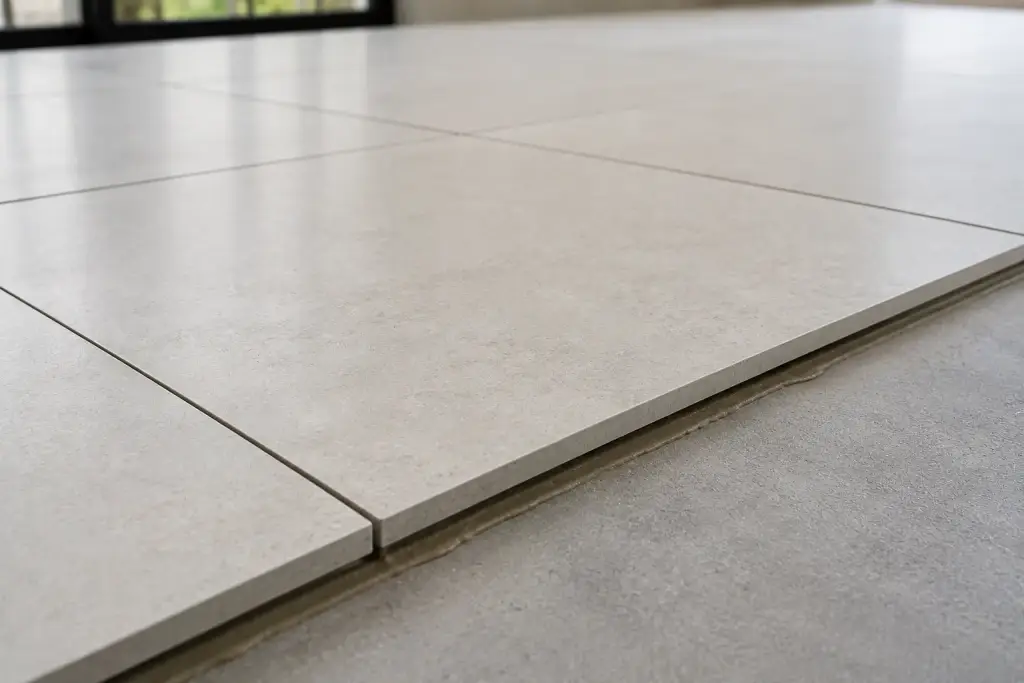
Ceramic tiles have a dense, non-porous surface, so they require an adhesive with high bonding strength. In addition to the type of adhesive, surface cleanliness and the pressure applied during installation also significantly affect the strength of the bond.
5. Glass
Glass is a very smooth material, so not all types of adhesives bond well to it. Specialized glass adhesives are typically highly transparent and capable of maintaining the strength of the bond without compromising the material’s aesthetic appeal.
6. Metals
Metals require adhesives capable of withstanding loads, heat, vibration, and pressure over the long term. Therefore, epoxy or metal adhesives are often the preferred choice for creating stronger bonds than regular adhesives.
7. Natural Stone
Natural stone has a variety of surface characteristics, ranging from smooth to rough. The adhesive used must have high bonding strength and be weather-resistant when applied to outdoor areas.
8. Hebel or Lightweight Bricks
Hebel has a porous surface with a relatively high water absorption rate. Using a special adhesive for lightweight bricks allows for more precise installation and improves the structural strength of the wall compared to using conventional cement mortar.
See Also: The Best Lightweight Brick Adhesive for Stronger, More Precise Construction
Factors That Prevent Adhesive from Bonding Effectively to Materials
1. Dirty Material Surfaces
Dust, oil, rust, paint residue, and other contaminants can prevent direct contact between the adhesive and the surface of the material. As a result, adhesion decreases and the bond is more likely to come apart. Cleaning the surface before application is the most basic step to prevent factors that prevent the adhesive from bonding properly.
2. The Type of Adhesive Is Not Suitable for the Material Being Used
Each material has different characteristics which means different types of adhesive are required. Using wood glue on metal or plastic glue on natural stone will certainly not produce optimal results. Choosing the right product is one of the most commonly overlooked factors contributing to poor adhesive bonding.
3. Damp or Wet Surfaces
Water remaining on the surface of the material can hinder the adhesion process, so The glue doesn't stick perfectly. Before application, make sure the material is dry, in accordance with the technical recommendations for the adhesive being used.
4. Use of Adhesive That Does Not Conform to the Technical Instructions
Using too little glue can result in an uneven bond, while using too much actually slows down the drying process. Following the manufacturer's instructions is an important step to minimize factors that prevent the adhesive from bonding effectively.
5. Incorrect Application Techniques
Mistakes such as applying the adhesive incorrectly, uneven pressure, or failing to use clamps during the lamination process can causing the connection to become weak. Proper application techniques will help ensure a more even distribution of the adhesive, resulting in maximum adhesion.
6. Low-Quality or Expired Adhesives
Glue that has exceeded its shelf life usually undergoes a change in composition, resulting in a decrease in its adhesive strength. In addition, Choosing low-quality products can also cause the bond to fail quickly even though the application process was done correctly.
7. Insufficient Drying Time
Many users immediately apply weight to the material before the adhesive has completely dried. However, each product has a different curing time. Allowing the recommended drying time will makes the bond stronger and more lasting thereby reducing the factors that prevent the glue from adhering properly.
Recommendations for High-Quality Adhesives for Various Types of Materials with Strong Bonding Strength
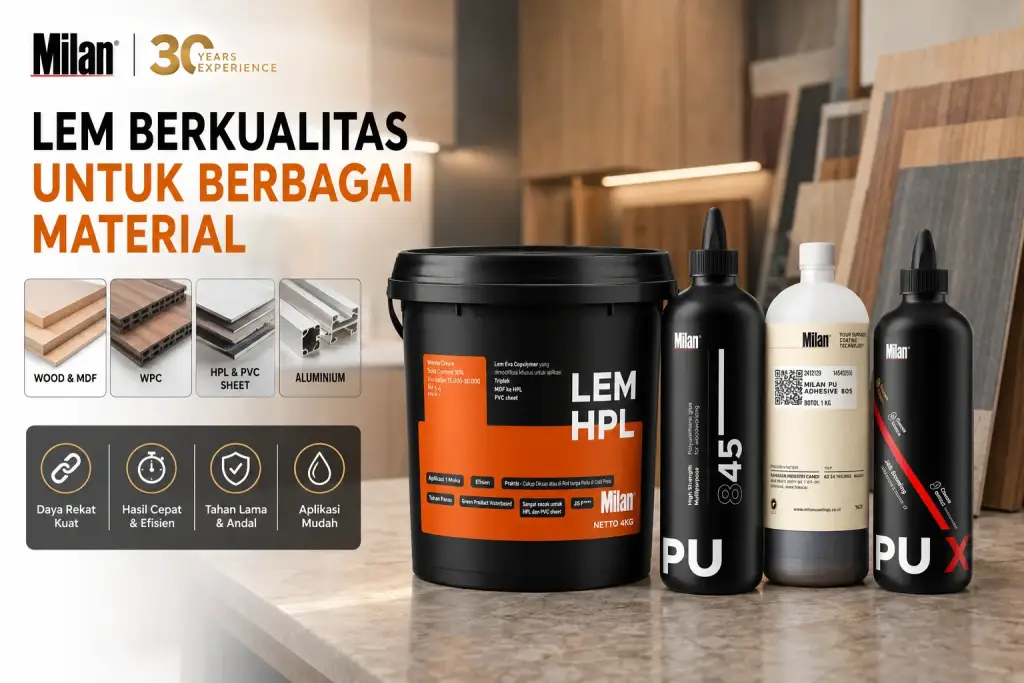
1. Milan PU Adhesive 845
Milan PU Adhesive 845 is a high-performance polyurethane adhesive designed for wood lamination and bonding applications, offering excellent bond strength. This product has high resistance to moisture, making it suitable for use in the furniture and woodworking industries.
2. Milan PU Adhesive 805
Milan PU Adhesive 805 It offers a fast-drying process with high bonding strength on a variety of wood materials. This adhesive is suitable for finger joints, panels, laminates, and various production processes that require efficiency without compromising the quality of the joints.
3. Milan PU X Glue
Milan PU X Glue Formulated to provide optimal adhesion to wood with higher moisture content. This product creates strong, durable joints and is suitable for a wide range of applications in the wood processing industry.
4. Milan Aliphatic Glue
Milan Aliphatic Glue is a premium wood glue that offers high bonding strength, quick drying, and resistance to heat and certain solvents. This product is ideal for furniture making, finger joints, laminating, and a variety of woodworking applications that require precision results.
5. Milan HPL Glue
Milan HPL Glue Specially designed for bonding High-Pressure Laminate (HPL) and PVC sheets to various substrates such as MDF, plywood, and wood panels. This adhesive provides strong bonding strength and is easy to apply, helping to achieve a neater finish on furniture.
6. Milan Lightweight Brick Adhesive
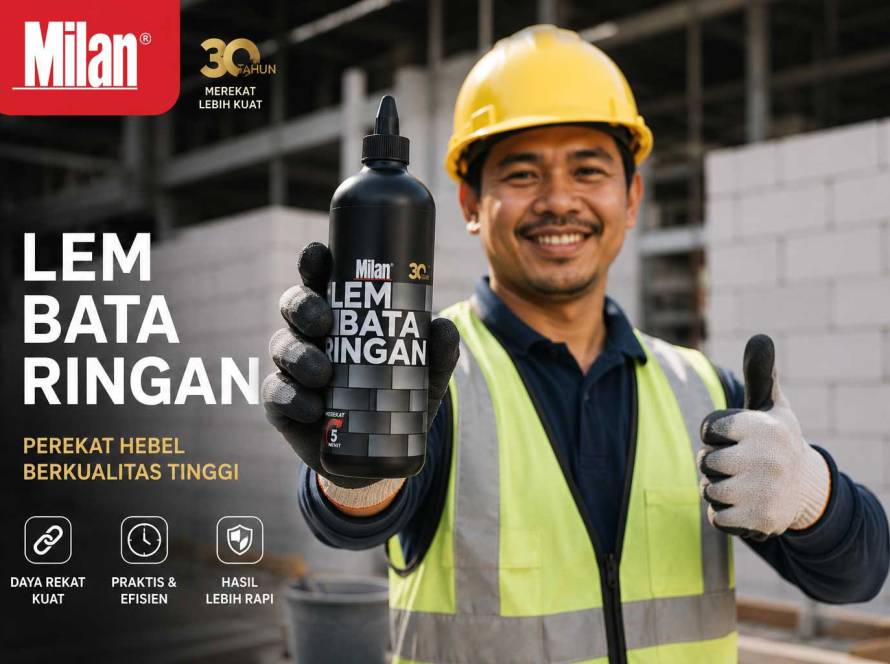
Milan Brick Adhesive Ringan is a specialized adhesive for installing Hebel or AAC blocks, formulated to provide high bonding strength and thinner mortar joints. This product helps speed up the installation process, reduces material waste, and results in stronger, more precise wall construction.
Don’t Choose the Wrong Glue—Find the Right Adhesive Solution at Milan Indonesia!
Choosing the right type and brand of adhesive is an important step in ensuring optimal bonding results. Not all brands offer high-quality adhesives with strong bonding power. However, if Milanians choose Milan Innovative Coating & Adhesive Solutions, we guarantee high-quality adhesives. From PU, epoxy, and HPL adhesives to lightweight brick adhesives—Milanians can find them all exclusively at PT Indocipta Wisesa.
If you want to get high-quality glue from Milan Indonesia, Click the banner below to place your order!