Historic buildings are cultural assets of great value—in terms of history, architecture, and regional identity. However, Since these buildings are decades or even centuries old, their construction materials are more prone to damage due to exposure to rain, heat, high humidity, and air pollution.
Therefore, the preservation of historic buildings is an important step in ensuring that their authenticity is maintained without having to undertake major renovations that could alter their original character.
With modern technology for water-repellent coatings, Milanians can help protect historic buildings from exposure to extreme weather conditions that could alter their natural appearance. However, be sure to choose and use high-quality coatings or protective treatments—here are some recommendations!
Why Do Historic Buildings Need to Be Protected?
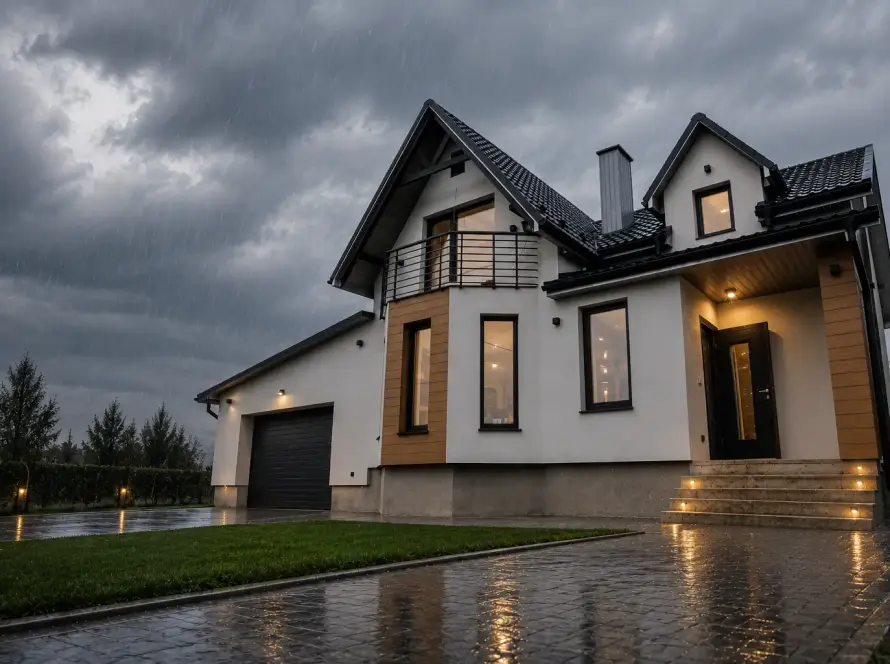
Historic buildings continue to be exposed to various environmental factors that can accelerate the material degradation process. Rainwater that seeps into the pores of the walls can cause moss, mold, and salt deposits to grow. Over time, moisture can also cause the material to become brittle, crack, or even peel off.
Continuous exposure to UV rays also accelerates the weathering process of natural stone, concrete, and wood. In addition, extreme temperature changes cause the material to undergo repeated expansion and contraction, leading to the formation of fine cracks that are often invisible in the early stages.
It’s not just weather conditions; air pollution can also settle on building surfaces and react with moisture, causing causes stubborn stains that detract from the building’s aesthetic appeal. Therefore, the preservation of historic buildings is not only intended to enhance their appearance, but also to extend their lifespan while reducing long-term maintenance costs.
Can Historic Buildings Be Preserved Without Altering Their Original Appearance?
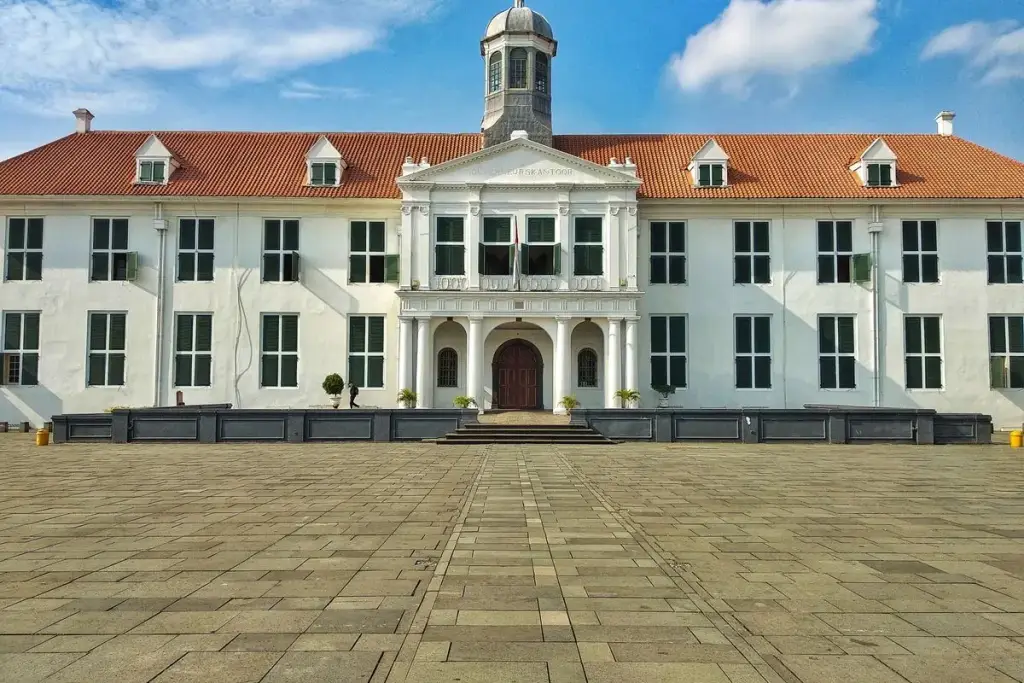
Yes. It's currently available. transparent protective technology which works by penetrating the pores of the material without forming a film on the surface. This technology preserves the original character of natural stone, exposed brick, concrete, and other materials, ensuring that the building’s natural color, texture, and appearance are maintained.
This method is the ideal choice because it is capable of provides protection from water without making the surface look shiny or changing its color. In addition to maintaining its aesthetic appeal, the material remains breathable, allowing water vapor from inside the building to escape rather than becoming trapped in its pores.
To make this happen, Milanians can uses Milan Omnitect Water Repellent, a product designed to provide hydrophobic protection on various surfaces such as natural stone, concrete, exposed brick, and other mineral-based materials. This product helps reduce water absorption without altering the building’s original appearance, making it ideal for protecting historic buildings.
See Also: Solutions for Protecting Outdoor Materials from Extreme Weather
How to Protect Historic Buildings from Extreme Weather to Preserve Their Appearance
1. Routine Building Maintenance
Remove any moss, mold, dust, or dirt that has accumulated before it leads to more serious damage. Routine inspections also make it easier to identify small cracks so they can be addressed immediately.
2. Manage the Drainage System; Ensure There Is No Standing Water
Standing water around a building can increase moisture levels in the foundation and walls. Make sure the drainage system is working properly, the gutters are not clogged, and the slope of the area around the building allows rainwater to drain effectively. Proper drainage is one of the key factors in protecting historic buildings.
3. Use Special Building Protective Coatings to Preserve the Appearance
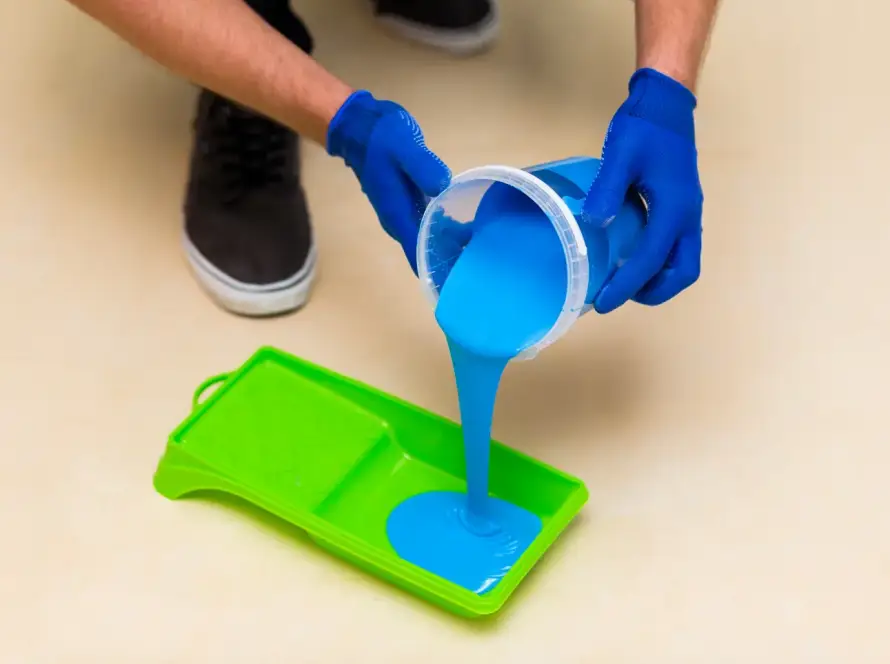
In addition to physical maintenance, the use of specialized protective coatings is an important step in reducing the risk of water damage. The right protective coating penetrates the pores of the material, allowing it to repel water without altering the color or texture of the building’s surface.
To meet those needs, Milanians can use Milan Omnitect Water Repellent which acts as a transparent protective coating because it helps protect natural stone, concrete, exposed brick, and various porous materials from water penetration while preserving their natural appearance.
See Also: What Is a Water-Repellent Coating and Its Benefits for Buildings
4. Involve Professionals to Perform Maintenance
Historic buildings are constructed from a variety of materials, so their maintenance requires careful handling. Experts can determine the appropriate cleaning methods, types of protective coatings, and application techniques to ensure that the conservation process does not cause further damage to the building.
5. Repair Small Cracks in Buildings Immediately
Small cracks are often overlooked, even though they can serve as entry points for water into the structure. If left unaddressed, these cracks will continue to widen due to wet-dry cycles and temperature changes. Addressing them early helps maintain the structure’s strength while reducing future renovation costs.
Protecting Historic Buildings with Hydrophobic Technology
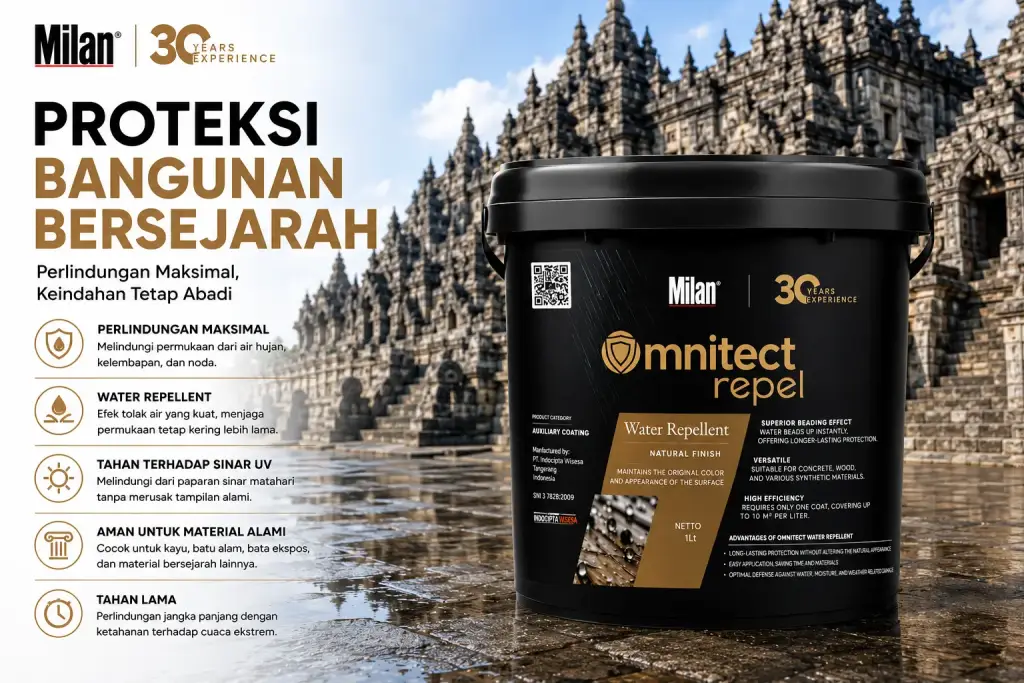
One of the modern innovations in the protection of historic buildings is hydrophobic technology. This technology works by reducing water’s ability to adhere to and penetrate the surface of materials. When rain hits a building, the water forms droplets and runs right off, keeping the surface drier.
The benefits of hydrophobic technology not only help reduce the risk of water seepage, but also inhibit the growth of moss and mold, as well as the appearance of moisture-related stains. Since it does not form a film, The materials still look natural, and the building’s architectural character is preserved.
Currently, if residents of Milan want to use hydrophobic technology to preserve the natural appearance of historic buildings, they can obtain it from Milan Omnitect Water Repellent. This product offers A technology that mimics the effect of taro leaves, causing water to form droplets on the surface and then roll off without easily seeping into the material.
Not only that, but Milan Omnitect Water Repellent also features anti-mold and anti-moss technology, making it ideal for providing maximum protection to historic buildings without compromising their natural appearance.
With this transparent protection, Milanians can preserving the natural appearance of historic buildings while also improving its resistance to extreme weather, humidity, and long-term exposure to water.
Don’t Let Historic Buildings Fall into Disrepair! Find Solutions to Protect Them Here
Rainwater, humidity, and extreme weather can accelerate damage to natural stone, exposed brick, and concrete—all of which are essential components of historic buildings. Don’t let the building’s original appearance fade or restoration costs spiral out of control simply because you waited too long to provide the proper protection.
Milan Omnitect Water Repellent is the solution for protecting historic buildings so that the building’s original appearance is preserved even after many years. The final finish of this coating is transparent, so it does not alter the building’s color, texture, or appearance.
As a flagship product of PT Indocipta Wisesa, Milan Omnitect Water Repellent is here to meet the needs of Milan residents in maintaining the appearance of their buildings. This applies not only to historic buildings, but also to other buildings, offices, and homes.
Don’t hesitate! Milanians can consult with the Milan Indonesia team of experts before using the products. Click the banner below to connect with us!