Apakah Milanians sedang dalam tahapan rencana membangun rumah? Material bata ringan atau hebel kerap menjadi rekomendasi dan pilihan, karena diklaim memiliki ketahanan yang cukup kuat jika dilakukan pemasangan serta perawatan yang benar.
Lalu, sebenarnya apa saja kelebihan dan kekurangan bata ringan untuk pembangunan rumah?
Sebelum Milanians memutuskan menggunakan bata ringan, pahami dulu kelebihan, kekurangan, serta tips pemasangannya di bawah ini!
Mengenal Singkat Tentang Bata Ringan
Bata ringan adalah material dinding yang dibuat dengan berat jenis lebih rendah dibandingkan bata konvensional.
Jenis yang umum digunakan adalah AAC (Autoclaved Aerated Concrete) dan CLC (Cellular Lightweight Concrete). Material ini memiliki struktur berpori sehingga bobotnya lebih ringan, tetapi tetap dirancang untuk kebutuhan konstruksi dinding.
Salah satu karakteristik utama bata ringan adalah ukurannya yang relatif besar dan presisi. Karena dimensinya lebih seragam, proses pemasangan dapat dilakukan lebih cepat dengan sambungan perekat yang tipis.
Hal tersebut berbeda dengan bata merah yang umumnya membutuhkan lapisan adukan lebih tebal untuk menyamakan posisi antarbatanya.
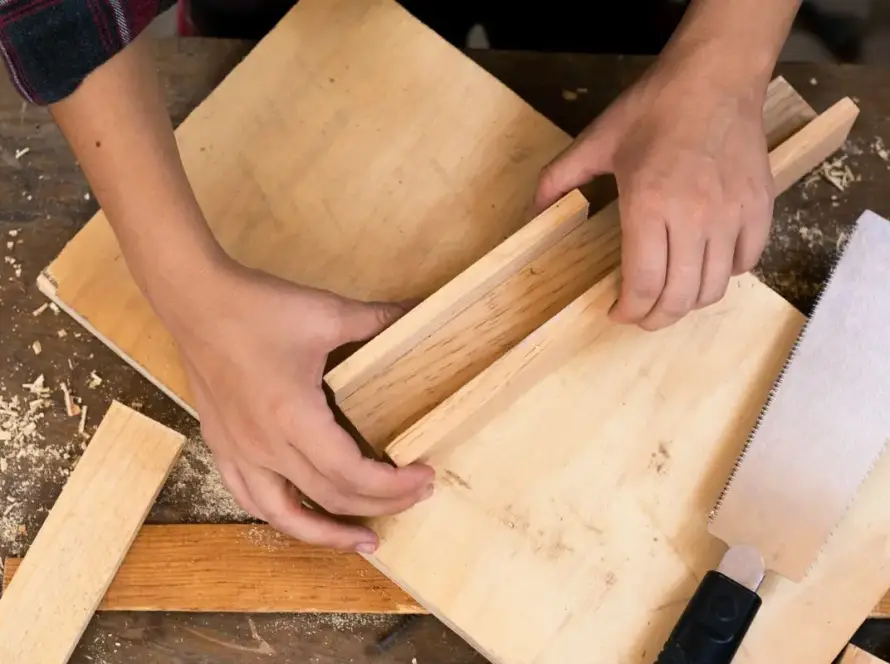
Bata ringan juga mudah dipotong dan dibentuk sesuai kebutuhan di lapangan. Karena itu, material ini cukup populer untuk pembangunan rumah, ruko, gedung, maupun kebutuhan dinding partisi.
Jadi, sebelum mulai membangun rumah, Milanians harus memahami kelebihan dan kekurangan bata ringan terlebih dahulu agar hasilnya lebih maksimal.
See Also: AAC vs. CLC Lightweight Bricks: What’s the Difference, and Which One Is Best for Your Home?
Advantages and Disadvantages of Lightweight Bricks for Home Construction
Memahami kelebihan dan kekurangan bata ringan membantu Milanians menentukan apakah material ini sesuai dengan kebutuhan proyek. Berikut perbandingannya berdasarkan beberapa aspek penting:
| Aspect | Kelebihan Bata Ringan | Kekurangan Bata Ringan |
| Bobot | Lebih ringan sehingga membantu mengurangi beban pada struktur bangunan. | Tetap membutuhkan perencanaan struktur yang tepat agar pemasangannya aman. |
| Kecepatan pemasangan | Ukurannya besar dan presisi sehingga dinding dapat dibangun lebih cepat. | Pemasangan harus dilakukan dengan teknik yang benar agar susunan tetap presisi. |
| Kerapian | Permukaannya relatif rata sehingga hasil dinding lebih rapi. | Permukaan yang rusak atau tidak rata dapat memengaruhi kualitas sambungan. |
| Kebutuhan perekat | Dapat menggunakan perekat khusus dengan lapisan tipis sehingga lebih efisien. | Tidak ideal jika dipasang sembarangan menggunakan adukan konvensional. |
| Pemotongan | Lebih mudah dipotong dan disesuaikan dengan kebutuhan konstruksi. | Pemotongan yang tidak tepat dapat menyebabkan material terbuang. |
| Finishing | Permukaan yang presisi dapat membantu mengurangi kebutuhan ketebalan finishing. | Tetap membutuhkan finishing yang sesuai untuk melindungi dan merapikan dinding. |
| Strength | Memiliki kekuatan yang cukup untuk kebutuhan dinding jika spesifikasi dan pemasangannya tepat. | Tidak bisa diperlakukan sama seperti material struktural tanpa memperhatikan spesifikasi teknisnya. |
| Penyerapan air | Dapat digunakan untuk konstruksi rumah dengan perlindungan dan finishing yang tepat. | Material berpori perlu diperhatikan dari sisi kelembapan dan perlindungan terhadap air. |
Apakah Bata Ringan Bisa Membuat Pembangunan Rumah Lebih Hemat?
Bisa, tetapi penghematannya tidak hanya dilihat dari harga per buah. Bata ringan memiliki ukuran lebih besar sehingga jumlah unit yang diperlukan untuk satu bidang dinding dapat lebih sedikit.
Bobotnya yang ringan juga dapat membantu proses pengangkutan dan pemindahan material di area proyek.
Selain itu, pemasangan menggunakan perekat khusus memungkinkan sambungan dibuat lebih tipis dibandingkan adukan konvensional. Pekerjaan yang lebih cepat dan penggunaan material perekat yang efisien dapat membantu menekan biaya tenaga kerja dan material.
Namun, Milanians tetap perlu menghitung biaya secara keseluruhan. Harga bata, perekat, tenaga kerja, transportasi, finishing, serta kebutuhan struktur harus dibandingkan agar benar-benar terlihat apakah bata ringan lebih ekonomis untuk proyek yang dikerjakan.
Hal yang Perlu Diperhatikan Sebelum Memilih Bata Ringan untuk Rumah
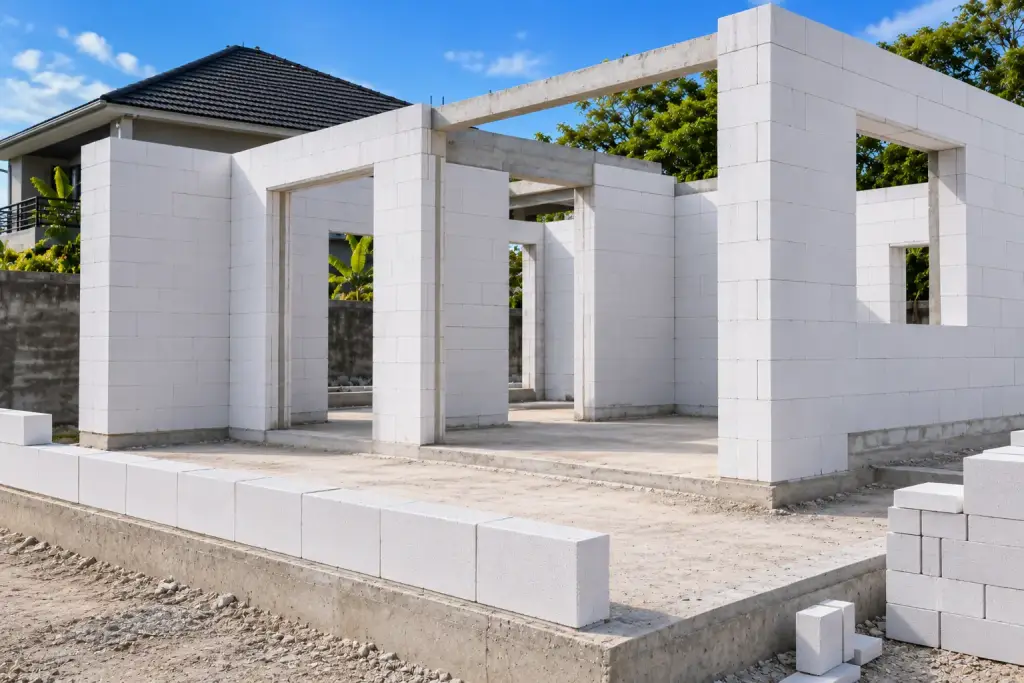
1. Sesuaikan Jenis Bata Ringan dengan Kebutuhan
Tidak semua bata ringan memiliki karakteristik yang sama. Kenali apakah proyek membutuhkan AAC, CLC, atau jenis lainnya berdasarkan fungsi dinding, lokasi pemasangan, serta spesifikasi teknis bangunan. Jangan hanya memilih berdasarkan harga paling murah.
2. Periksa Kualitas dan Kepadatan Bata
Kualitas dan kepadatan berpengaruh terhadap bobot, kekuatan, serta kemudahan pemasangan. Bata yang terlalu rapuh atau memiliki banyak kerusakan dapat menyulitkan pekerjaan tukang dan menghasilkan sambungan yang kurang optimal.
3. Pastikan Bata Memiliki Daya Tahan Air dan Kekuatan yang Cukup
Perhatikan kondisi lingkungan tempat bata akan digunakan. Untuk area yang berpotensi terkena kelembapan, pastikan material dan sistem finishing mampu memberikan perlindungan yang sesuai. Kekuatan bata juga harus disesuaikan dengan fungsi dinding.
4. Perhatikan Ukuran dan Tingkat Presisi Bata, Sesuaikan dengan Kebutuhan
Bata dengan dimensi konsisten akan lebih mudah disusun dan menghasilkan dinding yang rapi. Ukuran yang presisi juga membantu mengurangi celah dan ketidakteraturan sambungan sehingga pekerjaan pemasangan menjadi lebih efisien.
5. Pilih Bata Ringan dari Produsen Tepercaya yang Sudah Bersertifikat
Jangan mengabaikan reputasi produsen. Produk dari produsen tepercaya dengan standar kualitas yang jelas akan lebih mudah dipertanggungjawabkan dari sisi konsistensi ukuran, kepadatan, dan performa material.
6. Bandingkan Harga Bata dengan Produsen Lain
Harga tetap penting, tetapi jangan menjadikannya satu-satunya pertimbangan. Bandingkan harga berdasarkan kualitas, ukuran, kepadatan, jumlah kebutuhan, biaya pengiriman, serta performa produk agar Milanians mendapatkan pilihan yang benar-benar ekonomis.
Tips Pemasangan Bata Ringan untuk Rumah yang Kuat, Kokoh, dan Tahan Lama
1. Bersihkan Permukaan Bata dari Kotoran dan Minyak
Sebelum dipasang, pastikan permukaan bata bebas dari debu, lumut, minyak, dan kotoran. Permukaan yang bersih membantu perekat menempel lebih maksimal. Jika permukaan bata tidak rata, lakukan perataan terlebih dahulu.
2. Pastikan Pondasi dan Struktur Sudah Benar
Pemasangan dinding harus dilakukan setelah pondasi dan struktur bangunan dipastikan sesuai perencanaan. Bata ringan bukan pengganti struktur utama bangunan, sehingga kolom, balok, dan elemen struktural lainnya tetap harus dikerjakan dengan benar.
3. Rekatkan Bata Ringan dengan Perekat Khusus
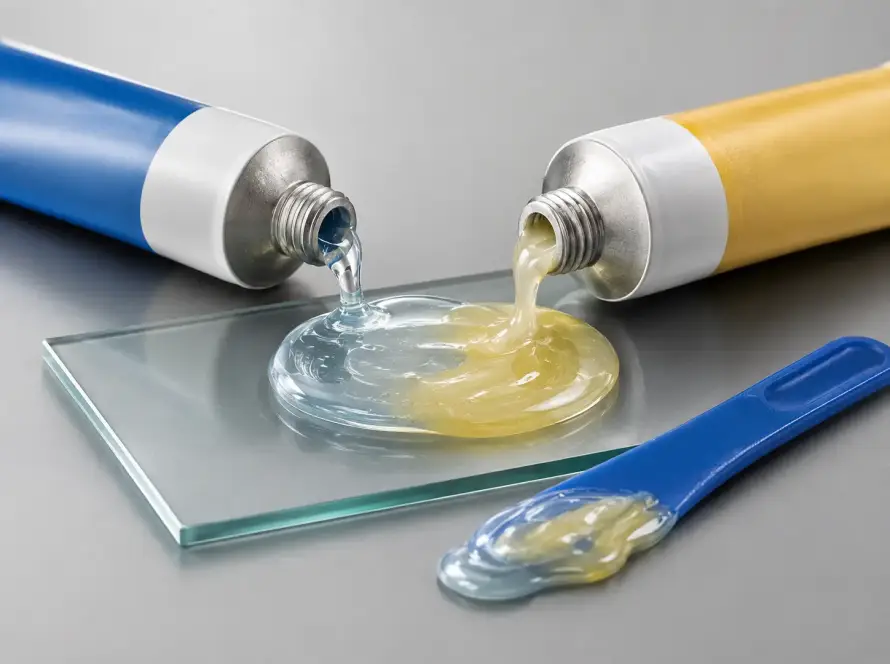
Gunakan perekat yang memang dirancang untuk bata ringan agar sambungan dapat bekerja optimal. Perekat khusus juga memungkinkan aplikasi lebih tipis dan membantu menghasilkan susunan bata yang lebih presisi.
Salah satu pilihan yang dapat digunakan Milanians adalah Milan Lightweight Brick Adhesive yang memiliki daya rekat kuat dan waktu pengeringan sekitar 5 menit.
See Also: Cement Mortar vs. Milan Lightweight Brick Adhesive: Which Is Stronger for Walls?
4. Susun Bata dengan Sambungan Selang-seling
Hindari membuat sambungan vertikal yang sejajar terus-menerus pada setiap lapisan. Susun bata secara selang-seling agar pola dinding lebih stabil dan sambungan tidak terkonsentrasi pada satu garis.
5. Perhatikan dan Periksa Sambungan Bata dengan Struktur
Area pertemuan dinding bata dengan kolom, balok, atau struktur lainnya perlu diperhatikan dengan baik. Pastikan sambungan dan pengikatannya sesuai metode konstruksi yang digunakan agar pergerakan antara material dapat diminimalkan.
6. Jika Aman, Bisa Dilakukan Finishing
Setelah pemasangan dan sambungan cukup stabil, lanjutkan ke tahap finishing sesuai kebutuhan. Pastikan kondisi dinding sudah siap sebelum diplester, diaci, dicat, atau diberikan lapisan finishing lainnya agar hasil akhirnya rapi dan tahan lama.
Kenapa Harus Menggunakan Lem Bata Ringan Milan untuk Pembangunan Rumah?
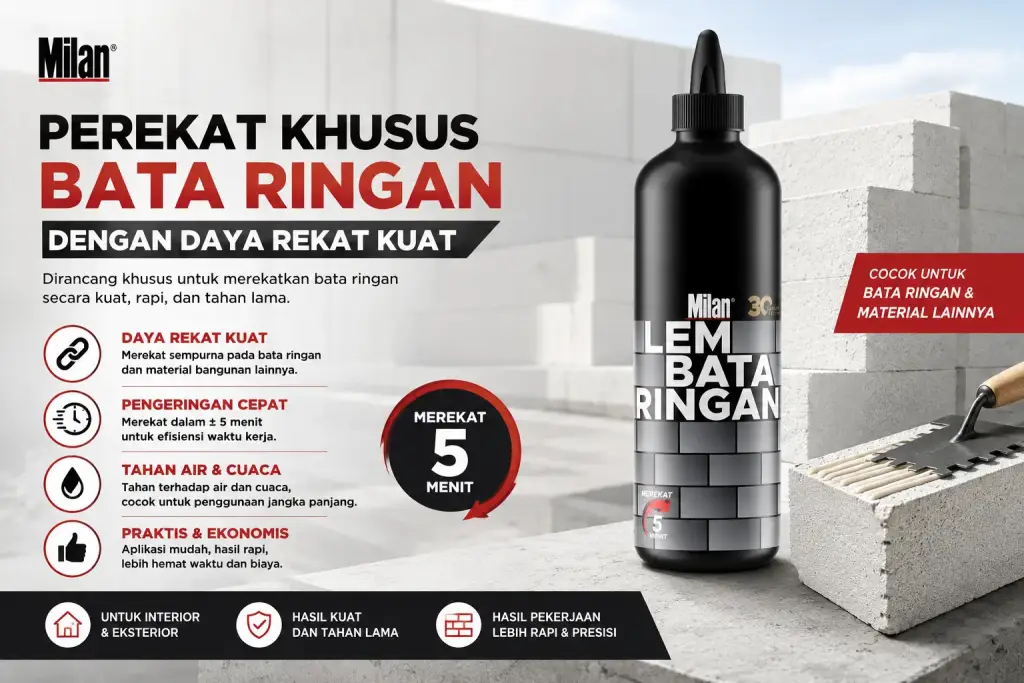
Memilih perekat yang tepat sama pentingnya dengan memilih bata ringan yang berkualitas.
Milan Lightweight Brick Adhesive diformulasikan sebagai perekat konstruksi dengan daya rekat kuat, aplikasi praktis, serta proses pengeringan sekitar 5 menit. Produk ini juga dirancang tahan terhadap air dan cuaca sehingga dapat mendukung kebutuhan konstruksi rumah dan proyek lainnya.
Adapun keunggulan dari Lem Bata Ringan Milan antara lain:
- Cepat kering hanya dalam waktu 5 menit
- Strong and long-lasting adhesion
- Water- and weather-resistant
- Cocok digunakan untuk bata ringan, batu alam, dan berbagai jenis batu lainnya
- Lebih ekonomis dan hemat
Hadir dalam kemasan 0,5 kg yang dapat digunakan untuk sekitar 15–18 m² dalam kondisi aplikasi yang sesuai.
Untuk Milanians yang mengutamakan kecepatan kerja, kerapian sambungan, dan efisiensi penggunaan material, Milan Lem Bata Ringan dapat menjadi pilihan perekat untuk mendukung pemasangan bata ringan secara lebih praktis.
Miliki Bangunan Rumah yang Kokoh dari Lem Bata Ringan Milan!
Dari beberapa kelebihan dan kekurangan bata ringan, apakah membuat Milanians tertarik menggunakannya sebagai material bangunan rumah? Jika iya, pastikan pemasangannya dilakukan dengan tepat sesuai petunjuk aplikasi, terutama dalam menggunakan perekat.
Untuk daya rekat yang kuat, sehingga membuat bangunan rumah lebih kokoh, gunakan Lem Bata Ringan Milan. Hasil sambungannya kuat, rapi, presisi, dan lebih efisien.
Tidak perlu ragu, karena Milan Lightweight Brick Adhesive telah dirancang khusus untuk merekatkan bata ringan dengan pengeringan cepat sekitar 5 menit saja.
Tertarik menggunakannya? Dapatkan produk Lem Bata Ringan Milan dengan tekan banner di bawah ini!